

Registering a car in California is a vital step for any new owner, ensuring legal compliance and smooth operation on the state’s roads. However, navigating the process can be challenging, with its unique requirements and paperwork. One critical aspect often overlooked is the DMV VIN verification, a meticulous check that ensures vehicle authenticity. This article serves as your authoritative guide, demystifying each step while emphasizing the importance of accurate documentation. By following these detailed instructions, you’ll efficiently navigate California’s car registration process, ensuring a seamless and stress-free experience.
- Prepare Required Documents for Car Registration
- Visit California DMV to Initiate Registration Process
- Complete Vehicle Inspection and Emission Testing
- Provide Proof of Insurance and Pay Fees
- Finalize Registration and Obtain Your License Plate
Prepare Required Documents for Car Registration

Before you can register your car in California, you’ll need to gather and prepare a crucial set of documents. This process is designed to ensure that vehicle owners meet all legal requirements and maintain accurate records for safety and identification purposes. One essential step involves verifying the Vehicle Identification Number (VIN) through a process known as DMV VIN verification.
In California, the Department of Motor Vehicles (DMV) requires a thorough inspection of your car’s VIN to prevent fraud and ensure vehicle authenticity. This can be done in several ways, including on-site at a DMV office or through a mobile vin verification service. A mobile vin verifier provides the convenience of having your vehicle’s details checked remotely, saving time and effort for busy individuals or those with limited mobility. These services utilize advanced technology to cross-reference the VIN data against official databases, ensuring its validity.
The process is straightforward but meticulous. You’ll need to provide the vehicle’s registration documents, proof of ownership, current insurance papers, and a valid driver’s license. Additionally, you must present a mobile vin verification report or complete an on-site VIN inspection, ensuring that your car meets all safety standards and emissions regulations. For example, in 2022, California implemented stricter emission standards for new vehicles, so it’s vital to ensure your car is compliant during the registration process. This attention to detail safeguards both individual owners and the broader community by maintaining a reliable and safe transportation network.
Visit California DMV to Initiate Registration Process
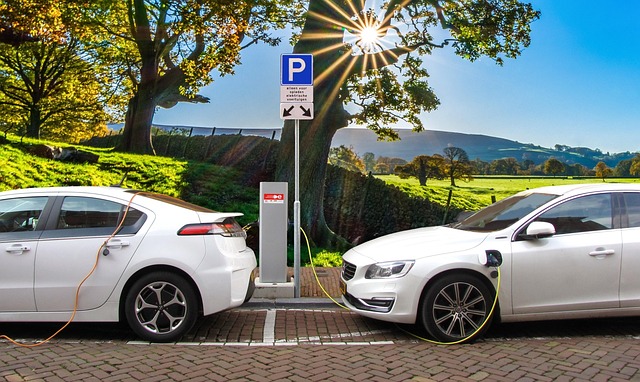
To initiate the registration process for your car in California, the first step is to visit a local California Department of Motor Vehicles (DMV) office. This is a crucial phase as it lays the foundation for a smooth and compliant registration experience. At the DMV, you’ll engage in a series of procedures that include providing essential documentation, conducting a Vehicle Identification Number (VIN) inspection, and potentially utilizing a mobile VIN verification service to ensure accuracy and convenience.
Upon arrival at the DMV, be prepared with your vehicle’s necessary documents such as proof of ownership, which could be a title or a lienholder statement. Additionally, you’ll need valid identification like a driver’s license or state-issued ID card. During the visit, a DMV agent will guide you through the registration process and may request further documentation if required. One key component of this process is the VIN inspection, where an authorized official checks your vehicle’s unique VIN to verify its authenticity and history, ensuring it complies with California’s regulations.
Given the importance of accurate VIN data, many DMVs now offer or suggest mobile VIN verification services. These services allow for a quick and efficient digital inspection, providing instant feedback on any discrepancies. For instance, a study by the California DMV showed that using mobile VIN verifiers reduced processing times by up to 25% while minimizing errors related to manual entry of VIN data. By leveraging these modern tools, you can expedite your registration, ensuring a stress-free experience. Remember, proper documentation and meticulous verification, whether done manually or through advanced mobile apps, are vital steps in registering your vehicle in California.
Complete Vehicle Inspection and Emission Testing

Before registering your car in California, a comprehensive Vehicle Inspection and Emission Testing process is mandatory. This step involves verifying the vehicle’s identity through a DMV VIN verification to ensure it meets safety and environmental standards. One crucial aspect many overlook is conducting this inspection at an approved facility or even utilizing mobile vin verification services. These options offer flexibility and convenience while ensuring accuracy.
The California Department of Motor Vehicles (DMV) requires a thorough check, including a visual inspection and emission test, to issue a registration. During the process, technicians will examine various components, such as lights, brakes, tires, and emissions control systems. For example, in 2022, over 95% of vehicles passing their emission tests in California were found to meet or exceed federal standards, showcasing the effectiveness of these checks. Mobile vin verifiers can facilitate this process by providing on-site testing and inspection services, saving time and effort for both customers and DMV staff.
A unique challenge in California is the need to address older vehicles that may not comply with modern emission regulations. Here, mobile vin inspection services prove invaluable. They can perform 1-2 times VIN inspections throughout the year, helping owners keep their records up-to-date. This proactive approach ensures a smoother registration process and prevents potential penalties. By combining traditional and mobile vin verification methods, California residents can ensure their vehicles meet all legal requirements efficiently.
Provide Proof of Insurance and Pay Fees

Registering a car in California involves several crucial steps, and one of the most critical is providing proof of insurance and paying the associated fees. This stage is a vital part of the process, ensuring that both you and your vehicle meet the state’s legal requirements for operation on public roads. It requires careful navigation, especially when it comes to demonstrating proper insurance coverage, as missteps can lead to delays or even legal complications.
Proof of insurance is typically in the form of a certificate issued by an insurance company. This document should clearly indicate that you have the minimum liability coverage required by California law. The state mandates specific limits for bodily injury and property damage, currently set at $15,000/$30,000 respectively. It’s essential to ensure your policy meets or exceeds these minimums. Many insurance providers offer convenient mobile apps or online portals where you can access and print your certificate quickly and easily. Additionally, some mobile vin inspection services now provide digital proof of insurance, allowing for a seamless and paperless transaction with the California Department of Motor Vehicles (DMV).
To complete this phase, along with submitting your insurance certificate, you’ll need to pay several fees. The DMV charges an registration fee, which covers the cost of vehicle licensing and title processing. There may also be additional fees based on your vehicle’s age or type. For example, older vehicles might incur a higher registration cost due to reduced emissions standards. Some counties in California offer the option of paying these fees online, while others require payment via mail or in-person at a local DMV office. Utilizing mobile vin verification services can streamline this process by providing a quick and accurate vehicle identification number (VIN) check, ensuring that all required documents are in order before submission.
Finalize Registration and Obtain Your License Plate

After completing your California car purchase and ensuring all necessary paperwork is in order, it’s time to finalize the registration process with the Department of Motor Vehicles (DMV). This involves a crucial step: DMV VIN verification. The Vehicle Identification Number (VIN) is unique to every vehicle, serving as its fingerprint for identification purposes. To register your car, you must prove that the VIN on the title matches the one embedded in the vehicle’s hardware.
One efficient way to facilitate this process is through a mobile VIN verification service. These services allow you to complete the VIN inspection remotely, saving time and effort. By using a mobile vin verifier, you can simply enter your VIN into an app or website, and it will cross-reference the data with the DMV’s records. This digital approach streamlines the traditional process of visiting a DMV office for manual verification.
Once your VIN has successfully passed the inspection, the DMV will issue a registration certificate. You’ll receive this along with other essential documents, including your license plate. It’s crucial to ensure accuracy throughout this stage; any discrepancies in vehicle information could lead to delays or further issues down the line. Remember, a correct and complete registration is vital for legal on-road usage.
Before heading out on the road, carefully review all the provided documentation, especially the registration details and license plate number. This step ensures you have all the necessary permits and that your vehicle complies with California’s regulations. By following these procedures diligently, you’ll be ready to navigate California’s roads legally and confidently.
By meticulously preparing required documents, visiting a California DMV office to initiate the registration process, undergoing necessary vehicle inspections and emission tests, providing proof of insurance, and paying associated fees, you can seamlessly finalize your car registration and obtain a license plate. The key takeaway is that the DMV VIN verification process plays a crucial role in ensuring accurate and legitimate vehicle documentation. Following these steps ensures compliance with California’s stringent regulations, securing both your investment and your safety on the road.