

Registering a car in California is a vital step for any new owner, ensuring legal compliance and protecting your investment. However, navigating the process can be a complex task, filled with paperwork and potential pitfalls. Many turn to online resources, often relying on generic or outdated information. Here, we provide an authoritative guide, meticulously crafted to demystify the car registration process in California. We’ll walk you through each step, ensuring accuracy and offering practical tips using reliable methods, including a valid VIN verifier, to make your experience seamless.
- Prepare Necessary Documents for Car Registration in California
- Understand Requirements: Vehicle Identification Number (VIN) Verifier
- Gather Proof of Insurance and Vehicle Ownership
- Visit a California Department of Motor Vehicles (DMV) Office
- Complete the Registration Process: Tips for a Smooth Experience
Prepare Necessary Documents for Car Registration in California

Before registering your car in California, you’ll need to gather essential documents and ensure your vehicle meets all legal requirements. One critical step is verifying the Vehicle Identification Number (VIN), which can be done through a variety of methods. Utilize a mobile VIN verifier or conduct a physical inspection using a traditional VIN scanner for accuracy. Start by obtaining the Certificate of Title from the previous owner, if applicable, as it contains the VIN and important ownership details. Additionally, you’ll need your valid driver’s license, proof of insurance, and payment for registration fees.
For out-of-state vehicles, a completed California Vehicle Registration Application and a bill of sale or purchase agreement are necessary. If the car was manufactured after 1980, a safety inspection is required, which can be conducted at an authorized inspection station. The mobile VIN verification process involves using specialized software to cross-reference the VIN with national databases, ensuring the vehicle’s history aligns with its condition. This method saves time and offers convenience, especially for those unable to visit a traditional inspection center.
It’s crucial to maintain accurate records of all these documents throughout ownership to facilitate smooth future transactions and registrations. Ensuring your car’s registration process is hassle-free involves preparation and utilizing modern tools like mobile VIN verifiers to streamline the verification step.
Understand Requirements: Vehicle Identification Number (VIN) Verifier
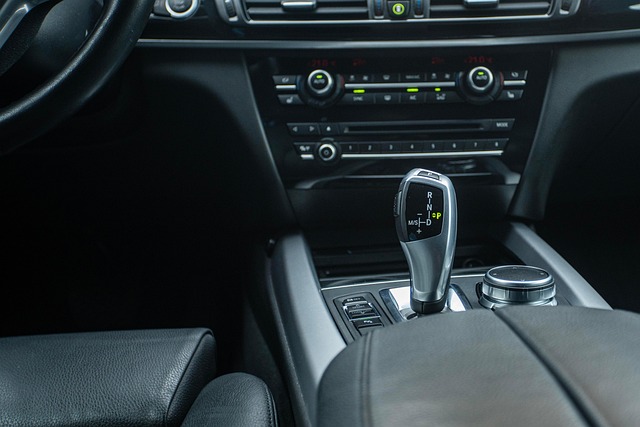
To register your car in California, understanding the requirements for a Vehicle Identification Number (VIN) verifier is crucial. The VIN is a unique 17-character identifier that serves as a fingerprint for your vehicle, and its accuracy is paramount during the registration process. In California, a VIN verifier ensures that the vehicle you’re registering matches the details on record with the Department of Motor Vehicles (DMV). This step helps prevent fraud, ensuring that the car’s history aligns with what’s reported.
One practical aspect to note is the availability of mobile VIN verification services. These services allow owners to conduct a VIN inspection using their smartphone or tablet. A licensed VIN verifier can perform this process remotely, providing instant validation and saving time for both the owner and the DMV. For instance, some companies offer real-time data checks against national databases, ensuring that your vehicle’s history is clear before proceeding with registration. This modern approach streamlines the traditional process, making car registration more efficient and accessible.
When using mobile VIN verification services, ensure you deal with reputable companies. They should be licensed and insured, adhering to California’s regulatory standards. Moreover, cross-verify their data sources—a comprehensive database covering various vehicle records is essential for accurate results. Remember, a reliable VIN verifier can make the registration process smoother, while an unreliable one could lead to delays or inaccuracies that might compromise your vehicle’s legal status.
Gather Proof of Insurance and Vehicle Ownership

Before registering your car in California, ensuring you have proper proof of insurance and vehicle ownership is a critical step. This documentation is not just a formality; it serves as a safeguard for both you as the owner and the state’s interest in maintaining road safety. One crucial aspect to focus on is using reliable methods to verify your Vehicle Identification Number (VIN). The California Department of Motor Vehicles (DMV) requires accurate VIN information during registration, which can be confirmed through various means.
A common and efficient approach is to utilize a mobile VIN verifier or scanner. These tools allow you to quickly and accurately obtain detailed vehicle data by simply scanning the VIN plate located on your car’s dashboard or chassis. Many apps and services offer this functionality, providing instant access to a vehicle’s history, including ownership records, accident reports, and outstanding recalls. For instance, some mobile VIN verification apps can even perform an inspection 1-3 times per year to ensure the vehicle’s condition complies with California’s safety standards.
To make sure your car is eligible for registration, you’ll need proof of valid insurance coverage. This includes a current insurance card or policy document showing the vehicle as covered under the policy. Additionally, a mobile VIN inspection can help identify potential issues that might affect insurance rates, allowing you to address them proactively. It’s advisable to compare quotes from different insurers after obtaining this crucial documentation, ensuring you’re getting competitive rates while maintaining adequate coverage for your California-registered vehicle.
Visit a California Department of Motor Vehicles (DMV) Office
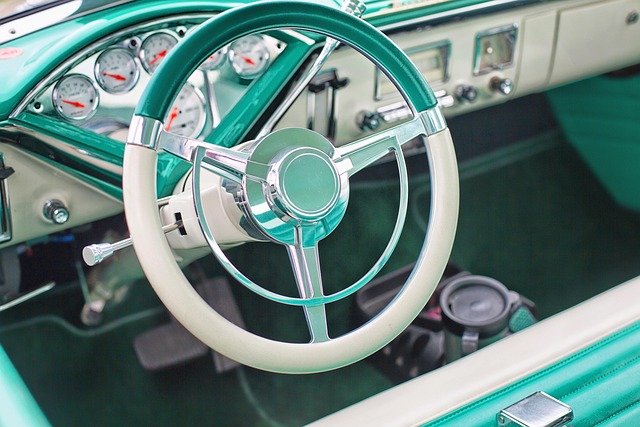
To register your car in California, a physical visit to a DMV office is an essential step in the process. This personal interaction ensures you have all the necessary documents and provides an opportunity for immediate verification of your vehicle’s details. During this visit, staff will cross-reference your information with their records, including conducting a VIN (Vehicle Identification Number) inspection using a vin verifier. This is crucial to ensure the accuracy of the data associated with your car, which includes its make, model, year, and other identifying factors.
The DMV offers several services for convenient VIN inspection, including mobile vin verification options. Some third-party companies provide this service, allowing you to get your vehicle’s information checked remotely. This is particularly useful if you’re having difficulty locating a nearby DMV office or are pressed for time. However, it’s important to ensure these mobile verifiers are reputable and authorized to prevent any potential issues with your registration.
When visiting the DMV, bring all relevant paperwork, such as proof of ownership, license plates, and identification. If you’ve used a mobile vin verifier for initial checks, have that report ready to streamline the process. Remember, accurate VIN data is vital for issuing a valid registration, so it’s advisable to double-check everything before heading into the DMV office. This proactive approach ensures your car’s registration goes smoothly and without delays.
Complete the Registration Process: Tips for a Smooth Experience

Completing your vehicle’s registration process in California requires meticulous attention to detail, but with a systematic approach, you can ensure a smooth experience. Here are some expert tips to guide you through the final stages of car registration, leveraging tools like the Vehicle Identification Number (VIN) verifier.
Begin by verifying your VIN using a trusted mobile VIN verification service. This step is crucial as it ensures that all records match and helps prevent fraud. Many online platforms now offer this service, allowing you to check your vehicle’s history in real time. For instance, services like [Name of Mobile VIN Verifier] can provide instant access to detailed information, including the car’s previous owners, accident history, and maintenance records. This data is invaluable for identifying potential issues or discrepancies.
After confirming your VIN accuracy, gather all necessary documentation. This typically includes proof of ownership, vehicle registration forms, a valid driver’s license, and insurance papers. Ensure these documents are up-to-date to avoid delays. Some counties in California offer online registration options, which can streamline the process. For instance, the California Department of Motor Vehicles (DMV) provides an intuitive website where you can input your VIN for initial form completion, reducing manual errors.
During the submission process, double-check all details against your records. This includes vehicle make, model, year, and color—accuracy is paramount. If using a mobile VIN verifier early in the process, ensure that the information matches throughout your applications to avoid any potential holdups. Remember, a thorough approach with comprehensive documentation will contribute to a swift and hassle-free car registration experience in California.
By meticulously preparing necessary documents, understanding the requirement for a Vehicle Identification Number (VIN) verifier, providing proof of insurance and vehicle ownership, and visiting a California Department of Motor Vehicles (DMV) office, you can seamlessly register your car in California. This process ensures not only compliance with legal requirements but also safeguards your investment. Remember, a VIN verifier plays a crucial role in this process, ensuring the authenticity of your vehicle’s identity. Leveraging these key insights and following the outlined steps will lead to a smooth registration experience, leaving you with peace of mind and a legally registered vehicle.