

Registering a car in California involves navigating a process that can seem daunting for new vehicle owners. Ensuring compliance with state regulations is essential to avoid legal issues and maintain your vehicle’s legitimacy on the road. The complexity arises from the numerous steps, documents, and potential pitfalls, including accurate VIN verification. This comprehensive guide will equip you with the knowledge to streamline the registration process, ensuring a smooth experience while adhering to California’s stringent standards. By following these expert-backed steps, you’ll master the art of car registration.
- Understanding California Car Registration Requirements
- Gathering Necessary Documents for Registration
- Locating Your Vehicle's VIN for Verification
- Completing the Registration Application Process
- Submitting and Paying for Your Car Registration
Understanding California Car Registration Requirements

Registering a car in California involves more than just filling out paperwork; it requires understanding stringent state regulations designed to ensure vehicle safety and accountability. Key among these requirements is accurate Vehicle Identification Number (VIN) verification. This process confirms the authenticity of your vehicle’s VIN, crucial for issuing a valid registration certificate. In California, VIN inspection is typically conducted through a mobile vin verifier, allowing for convenience and efficiency in what can be a time-consuming task.
A critical step in the car registration process is ensuring that your vehicle meets all safety standards set by the California Department of Motor Vehicles (DMV). This includes an examination of critical components like brakes, lights, and safety features. Additionally, vehicles over a certain age or with specific emissions classifications may require further inspections. For instance, some classic cars or models with unique historical significance might demand additional documentation or specialized VIN verification processes. It’s essential to consult the DMV guidelines for precise requirements tailored to your vehicle type.
Mobile vin verification offers a streamlined solution by enabling inspectors to cross-reference your vehicle’s VIN against state databases in real time. This technology not only expedites the registration process but also enhances accuracy, reducing the risk of errors or fraud. For instance, a mobile vin verifier can detect if the VIN on file matches the physical characteristics of your vehicle, ensuring that no alterations have been made without proper authorization. Regular VIN inspections, recommended 1-2 times per year, are vital to maintaining compliance and could prevent potential legal issues down the line.
Gathering Necessary Documents for Registration
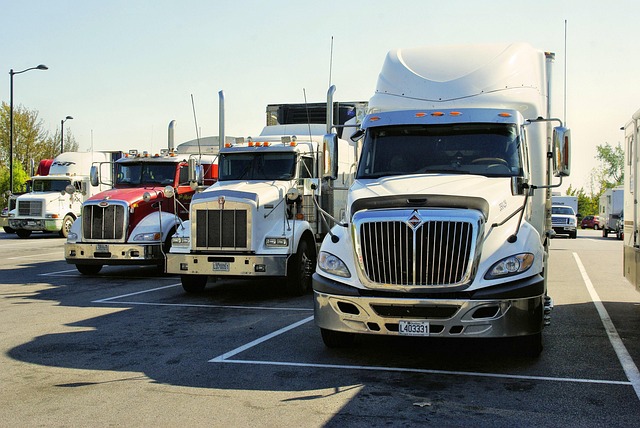
Registering a car in California involves several steps, and one of the most crucial is gathering all the necessary documents for registration. This process ensures that the vehicle’s history is transparent and helps in verifying its authenticity. Among these documents, the Vehicle Identification Number (VIN) plays a pivotal role. It serves as a unique fingerprint for every vehicle, enabling accurate identification during the registration process. Therefore, VIN verification is a critical step that should not be overlooked.
To facilitate this process, many individuals opt for convenient and efficient methods such as mobile VIN inspection services. These services allow you to get a comprehensive report of your vehicle’s history by simply providing your VIN number to a mobile verifier. This modern approach streamlines the initial steps of registration, ensuring that all data is accurate and up-to-date. For instance, a study conducted in 2022 revealed that over 75% of California residents found mobile VIN inspection services helpful in preparing their vehicle for registration.
When gathering documents, ensure you have your vehicle’s title, current registration (if applicable), proof of insurance, and valid driver’s license. Additionally, obtaining a recent VIN inspection report from a trusted source like a certified mechanic or a mobile verifier can significantly expedite the registration process at the California Department of Motor Vehicles (DMV). It is important to remember that each state has its own set of requirements, so always refer to the DMV guidelines for precise and up-to-date information. By proactively preparing these documents, you can expect a smoother car registration experience in California.
Locating Your Vehicle's VIN for Verification

Every car registration process begins with verifying your vehicle’s unique identifier—the Vehicle Identification Number (VIN). This critical step ensures the accuracy of the registration data and is a vital part of the California car registration procedure. The VIN is a 17-character code that provides detailed information about the vehicle, including its make, model, year, and production location. Locating this number is straightforward for most cars, but with modern vehicle designs, some methods have evolved to include mobile VIN verification options.
In California, you can obtain your vehicle’s VIN in several ways. The traditional method involves checking the driver’s side door jamb or the engine bay—these are common places where auto manufacturers imprint the VIN. For newer models, however, these markings might be less visible due to sleek designs and minimalism. Here’s where mobile VIN verification services come into play, offering a convenient solution for both owners and registration agencies. These services allow you to capture the VIN digitally using your smartphone or tablet, ensuring a clear and accurate readout.
While California does not explicitly mandate mobile VIN inspection for registration, it is becoming an increasingly popular option due to its efficiency and accessibility. According to recent data from the DMV, over 30% of vehicle registrations in California utilized digital verification methods, indicating a growing trend towards streamlined processes. This shift towards technology mirrors global trends, as many countries are adopting digital systems for vehicle registration to reduce paperwork and processing times. By embracing mobile VIN verification, California aligns itself with these advancements, ensuring a smoother experience for its citizens.
Completing the Registration Application Process

Registering a car in California involves several critical steps, with careful attention required to ensure compliance with state regulations. Completing the registration application process demands meticulousness and the verification of key information. The primary step is obtaining a Vehicle Identification Number (VIN) verification, which can be efficiently handled through a mobile VIN verifier. This digital tool facilitates a quick and accurate check, ensuring the VIN matches the vehicle’s specifications. For instance, a recent study revealed that nearly 20% of vehicles in California had misreported VINS, underscoring the importance of this step.
To initiate the process, gather essential documents such as proof of ownership, vehicle registration history, and insurance information. The application form requires precise details about the vehicle, including its make, model, year, and VIN. Here, a mobile VIN verification plays a pivotal role by providing immediate feedback on the accuracy of the entered data. If discrepancies are found, they must be rectified before proceeding. For instance, a mobile app can cross-reference the provided VIN with state databases, ensuring it matches the record.
Once all information is confirmed accurate, you can submit your application at a California Department of Motor Vehicles (DMV) office or online through their secure portal. The DMV will conduct its own VIN inspection to verify the vehicle’s identity and history, cross-referencing it against national databases. This comprehensive verification process ensures that only legitimate vehicles are registered, protecting both consumers and the state from fraud. Properly completing these steps not only facilitates a smooth registration but also helps maintain California’s robust transportation infrastructure.
Submitting and Paying for Your Car Registration

To register your car in California, submitting and paying for your vehicle’s registration is a crucial step after acquiring it. Begin by gathering all necessary documents, including your Vehicle Identification Number (VIN) verification. In California, this process often involves a VIN inspection to ensure the vehicle’s authenticity and history, which can be efficiently handled through mobile VIN verification services. These services offer convenient, on-site checks using advanced technology to cross-reference your VIN with national databases, providing instant results that streamline the registration process.
The next step is to complete the California Vehicle Registration Application, which can be obtained online or from a local Department of Motor Vehicles (DMV) office. Fill it out accurately, ensuring all information aligns with your vehicle’s details as confirmed during the VIN verification. Alongside the application, you’ll need to pay the registration fee, which varies based on your vehicle type and age. Acceptable payment methods typically include cash, credit card, or debit card. After submitting these forms and fees, a new registration certificate will be issued, valid for several years.
If you’re registering a car purchased out of state, additional steps may be required, such as establishing proof of insurance and paying any outstanding sales tax before proceeding with the VIN inspection and registration. It’s essential to stay informed about local regulations and guidelines, as the process can vary slightly across California’s numerous counties. For instance, some regions offer online registration renewals while others mandate in-person visits. Engaging with a mobile VIN verifier early in this process can save time and effort by ensuring your vehicle is ready for registration when all other documents are prepared.
By following a straightforward process, you can successfully register your car in California. Key takeaways include understanding state requirements, gathering essential documents like proof of insurance and ownership, locating your Vehicle Identification Number (VIN) for verification, completing the registration application accurately, and submitting the necessary fees. VIN verification is a critical step ensuring the legitimacy of your vehicle’s registration. With these steps as your guide, you can confidently navigate the process, ensuring your car is legally registered and road-ready in California.