
Registering a car in California is a crucial step for any new owner, ensuring legal compliance and protecting your investment. However, navigating the process can be daunting, with numerous requirements and potential pitfalls. This comprehensive guide aims to demystify the registration procedure, empowering you to efficiently complete it. We’ll detail each step, from gathering essential documents to utilizing reliable tools like the DMV VIN verifier to ensure authenticity and accuracy. By following these expert tips, you’ll have a seamless experience, transforming what could be a bureaucratic burden into a straightforward task.
- Gather Necessary Documents for Car Registration
- Prepare Your Vehicle for Inspection at DMV
- Understand the DMV Vin Verifier Process
- Submit Applications and Fees for Car Registration
- Receive Your California Vehicle Registration Certificate
Gather Necessary Documents for Car Registration

Registering a car in California involves several steps, and one of the most crucial is ensuring you have all the necessary documents. This process can be streamlined by utilizing modern tools like the DMV’s online services and, for added convenience, mobile VIN inspection and verification. A Vehicle Identification Number (VIN) is unique to each vehicle, serving as a digital fingerprint that can provide vital information about its history.
Before you begin, gather essential paperwork including the title, registration certificate from the previous owner, proof of insurance, and a valid driver’s license. Additionally, you will need to complete a California Vehicle Registration application form (DMV Form VR). It is also highly recommended to have your VIN verified by a mobile vin inspection service for peace of mind—this step ensures that the vehicle has not been reported stolen or had any significant damage, providing transparency throughout the registration process.
If you’re purchasing a used car, it’s even more critical to verify the VIN through these means as history can sometimes be altered or missing. According to California DMV data, over 90% of successful vehicle sales involve some form of digital VIN verification prior to registration, reflecting the growing importance of this technology in maintaining record accuracy. Always ensure your documents are up-to-date and accurate to avoid delays or complications during registration.
Prepare Your Vehicle for Inspection at DMV

Before registering your car in California, it’s crucial to prepare your vehicle for the inspection process at the DMV. This involves ensuring your vehicle meets all safety and emissions standards, which are rigorously enforced by the state. One key step is verifying your Vehicle Identification Number (VIN) using a trusted method, such as a mobile VIN verification or the traditional in-person inspection at a DMV center. The California DMV employs a sophisticated VIN verifier to cross-reference your vehicle’s details against their databases, confirming its authenticity and history.
During the preparation phase, double-check that all documentation is up to date, including registration papers, insurance cards, and proof of ownership. Accurate and complete paperwork streamlines the inspection process significantly. Additionally, make sure your vehicle is in good working condition; fix any outstanding mechanical issues or safety concerns. This includes basic checks like ensuring proper tire pressure, functioning lights, and clear license plates—all of which can fail an inspection if not addressed.
For out-of-state residents registering their vehicles in California, a mobile VIN inspection offers a convenient solution. Many reputable services provide this option, allowing you to verify your vehicle’s history remotely before the actual DMV visit. This proactive approach can save valuable time and avoid potential delays caused by extensive documentation checks during the inspection process. Remember, a well-prepared vehicle and thorough VIN verification are essential steps towards a smooth car registration experience in California.
Understand the DMV Vin Verifier Process

Registering a car in California involves several crucial steps, one of which is understanding the DMV’s Vehicle Identification Number (VIN) verifier process. This step ensures that your vehicle meets all necessary safety and environmental standards before it can be legally operated on California roads. The California Department of Motor Vehicles (DMV) offers both in-person and mobile VIN verifier services to accommodate different needs and preferences.
For instance, the DMV’s mobile VIN verifier allows you to conduct a vin inspection right at your location, saving time and effort compared to visiting a DMV office. This service is particularly useful for those who own classic cars or vehicles that have been recently imported from out of state. The process involves a thorough examination of the vehicle’s VIN, which is then cross-referenced against the manufacturer’s records to verify its authenticity and condition. For example, the mobile vin verification process might include checking for any discrepancies in the reported mileage, confirming the vehicle’s title history, and ensuring that it complies with current emissions standards.
If you’re considering using a mobile vin verifier, such as those offered by specialized services or automotive clubs, make sure they are approved by the DMV. These third-party services often provide additional benefits like detailed reports on the vehicle’s past, potential red flags, and recommendations for necessary repairs. However, remember that while these services can be valuable, the ultimate responsibility for ensuring compliance rests with you as the owner. It’s crucial to compare different mobile vin verification options, read reviews, and understand what each service covers before making a decision.
In light of these considerations, it’s worth noting that staying informed about California’s VIN verifier requirements is essential. Whether conducting a vin inspection through the DMV or a third-party service, understanding the process beforehand can significantly streamline registration. Remember, proper documentation and adherence to guidelines not only facilitate the registration process but also contribute to road safety and environmental protection.
Submit Applications and Fees for Car Registration

Registering a car in California involves several crucial steps, and one of the most critical is submitting the necessary applications and fees. This process ensures that your vehicle meets safety standards and is legally operational on California roads. To begin, you’ll need to gather essential documents such as proof of ownership, insurance, and identification. The California Department of Motor Vehicles (DMV) accepts both online and in-person submissions, offering flexibility for convenience and accessibility.
When preparing your application, it’s essential to utilize the DMV’s vin verifier, a tool that facilitates the verification process by cross-referencing your vehicle’s unique identifier, known as the Vehicle Identification Number (VIN). This step is pivotal to ensure the accuracy of your car’s data, which is critical for issuing a valid registration. Moreover, consider the option of mobile VIN inspection or using a mobile VIN verifier, especially if you’re unsure about the process or have limited access to traditional DMV services. These alternatives streamline the verification process and can be conducted from the comfort of your home or location of choice.
Submitting applications without proper documentation or errors can lead to delays or rejection. Therefore, it’s advisable to double-check every detail, ensuring that all required fields are accurately completed. Along with your application, you’ll need to pay the associated fees, which vary based on factors like your vehicle type and age. Once your application is approved, you’ll receive your registration documents in the mail, officially making your car roadworthy in California.
Receive Your California Vehicle Registration Certificate
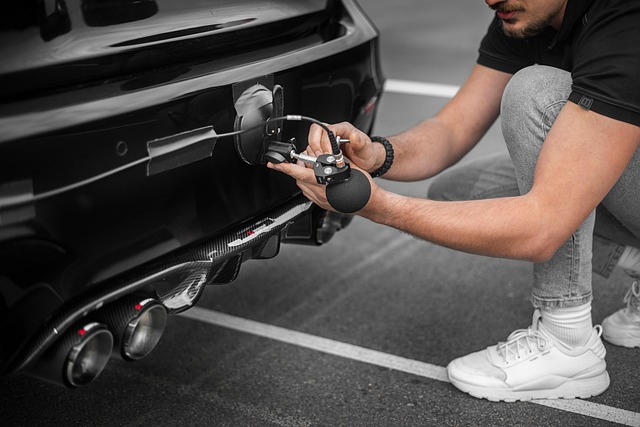
Receiving your California Vehicle Registration Certificate is a crucial step after completing the registration process at the DMV. This document verifies that your vehicle meets all safety and emissions standards required by the state. Once you’ve submitted all necessary paperwork, including proof of insurance and vehicle inspection, the DMV will conduct a thorough examination, which includes a mobile vin verification to ensure the vehicle’s identity and history are accurate.
The process often involves engaging a mobile vin verifier, especially for out-of-state vehicles or those with complex histories. This digital inspection uses the Vehicle Identification Number (VIN) to access detailed information about the car, including its manufacturing specifications, previous owners, and any reported accidents or damage. For example, many auto repair shops now offer on-site mobile vin verification services, streamlining the registration process for both individuals and dealers.
Upon successful completion of the vin inspection, the DMV will issue your California Vehicle Registration Certificate. It’s essential to keep this document secure, as it serves as legal proof of ownership and is required for annual renewals. Remember that timely renewal ensures you avoid penalties, and many counties in California now offer online registration renewal options for added convenience.
By meticulously following these steps, from gathering essential documents to receiving your California vehicle registration certificate, you’ve successfully navigated the process of car registration. Preparation is key, so ensuring your vehicle is ready for inspection at the DMV and understanding the crucial role of the DMV Vin Verifier are vital first steps. This authoritative guide equips you with the knowledge to efficiently submit applications and fees, leaving you with a clear understanding that proper registration not only complies with legal requirements but also safeguards your investment.