

Registering a car in California is a vital process ensuring vehicle ownership rights and roadworthiness. However, navigating the complex bureaucracy can be daunting for new owners. This article serves as your comprehensive guide, demystifying each step to ensure a seamless experience. From gathering essential documents to utilizing reliable VIN verifier tools, we’ll equip you with the knowledge to successfully register your vehicle in the Golden State. By following these expert-vetted instructions, you’ll streamline the process, avoid common pitfalls, and have your California registration completed with confidence.
- Prepare Your Documents for Car Registration in California
- Understand the California Vehicle Identification Number (VIN) Verifier Process
- Gather Necessary Information and Proof of Ownership
- Complete the California Car Registration Application Form Accurately
- Submit and Pay Fees for Successful Car Registration
Prepare Your Documents for Car Registration in California

Understand the California Vehicle Identification Number (VIN) Verifier Process
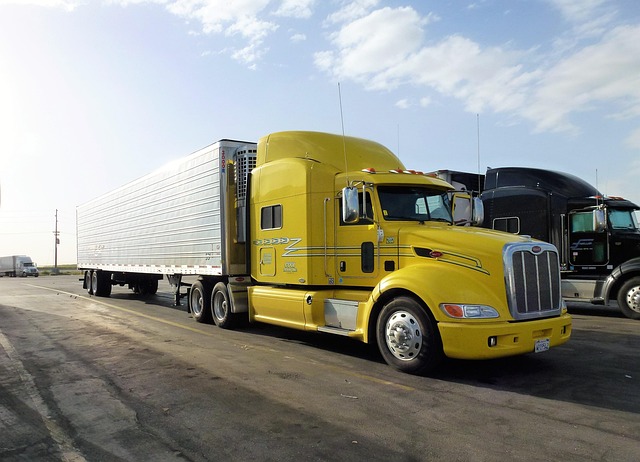
Registering a car in California involves several crucial steps, among which understanding the Vehicle Identification Number (VIN) verifier process is paramount. The VIN is a unique 17-character code that serves as the car’s fingerprint, critical for identifying its history and ensuring compliance with legal standards. In California, this verification is typically handled by a mobile VIN verifier, allowing for convenient and efficient inspections.
A mobile VIN verifier facilitates the process by digitally scanning and cross-referencing the VIN against state databases to gather crucial information. This includes vehicle make, model, year, and whether it has been reported stolen or has outstanding loans. For instance, the California Department of Motor Vehicles (DMV) utilizes such technology to streamline the registration process. A simple scan can reveal detailed vehicle history, enabling inspectors to identify potential issues like odometer rollback or unrepaired damage.
Integrating a mobile VIN inspection into your car registration routine offers significant advantages. It ensures that vehicles on California roads meet safety and legal standards, enhancing road security. Moreover, it saves time for both DMV staff and vehicle owners by providing immediate results, eliminating the need for lengthy manual checks. By embracing modern tools like these mobile verifiers, the state’s registration process becomes more efficient, accurate, and accessible to all residents.
Gather Necessary Information and Proof of Ownership

Before registering your car in California, you’ll need to gather essential information and proof of ownership. This process involves verifying crucial details about your vehicle, including its Vehicle Identification Number (VIN). A VIN verifier, whether mobile or stationary, plays a critical role here. It helps ensure that the data on file matches the actual vehicle, reducing fraud and errors.
For instance, when conducting a mobile VIN verification, you can use apps or services that scan the VIN off your car’s registration or title document and cross-reference it with databases to confirm the vehicle’s make, model, year, and other specifications. These tools are especially handy for those in remote areas or who prefer not to visit a DMV office. Similarly, during a mobile vin inspection, a trained professional can manually check the VIN plate on your car’s chassis and compare it against official records.
California requires you to present original documents that prove ownership, such as a bill of sale or previous registration. Additionally, you’ll need certain emissions test results and vehicle safety inspections certificates, depending on your car’s age. It’s advisable to check with your local DMV for specific requirements, as some areas may have additional guidelines.
Organizing these documents in advance streamlines the registration process. Having them ready demonstrates your commitment to following California’s procedures correctly. Moreover, understanding which proof of ownership and VIN verification methods best suit your needs can save time and avoid potential delays or complications during car registration.
Complete the California Car Registration Application Form Accurately

Registering a car in California involves completing various forms, one of which is the California Car Registration Application Form. This document is critical as it provides essential details about your vehicle and establishes its legal status on California roads. Filling it out accurately ensures smooth sailing throughout the registration process.
The form requires meticulous attention to detail. Begin by ensuring your Vehicle Identification Number (VIN) is entered correctly. This unique 17-character code identifies your vehicle, and any errors could lead to delays. Consider using a mobile VIN verifier to check and confirm the number, as this technology provides accurate results in real time. For instance, many mobile apps offer simple VIN verification services that can be done from the comfort of your home or even during a car inspection.
Another crucial section is the ownership information. Provide clear and precise data about the previous and current owners. If you’re registering a new vehicle, this step might be straightforward. However, for used cars, ensure all ownership transfers are documented accurately. In cases where title issues arise, mobile VIN inspection tools can be invaluable. These services help verify not only the VIN but also the vehicle’s history, including any previous accidents or outstanding recalls. By leveraging these modern verification methods, you can streamline the registration process and avoid potential complications.
Submit and Pay Fees for Successful Car Registration

After ensuring your car meets all necessary requirements for registration, it’s time to submit your application and process the fees. This crucial step formalizes your vehicle’s status and allows you to legally operate it on California roads. The process typically involves several key steps, one of which is utilizing a reliable Vehicle Identification Number (VIN) verifier. A mobile VIN verifier, for instance, can streamline this process by remotely inspecting your car’s VIN, ensuring its accuracy and validity.
When submitting your application, you’ll need to provide detailed information about your vehicle, including the VIN, make, model, year, and other identifying characteristics. In California, it’s mandatory to have a current state-issued registration for your vehicle. The fees associated with registration vary based on several factors, such as the type of vehicle, its age, and whether you’re renewing or registering a new car. As a guideline, expect to pay around $50 for a standard car registration, but this can change based on specific circumstances.
Payment methods accepted may include credit cards, debit cards, or checks. Ensure your payment information is accurate to avoid delays in processing. Once successfully submitted and the fees paid, you’ll receive your official vehicle registration documents. It’s essential to keep these records handy for future reference and proof of ownership. Moreover, it’s recommended to utilize a mobile VIN verification service during this stage, as they can conduct a thorough VIN inspection remotely, enhancing the efficiency of the entire car registration process.
By meticulously preparing your documents, understanding the California Vehicle Identification Number (VIN) verifier process, gathering essential information and proof of ownership, completing the registration application form accurately, and submitting fees, you can successfully register your car in California. This authoritative article has equipped you with the key insights needed to navigate this process seamlessly. Next steps involve gathering all required documents, verifying your VIN through approved channels, and ensuring accuracy during the application fill. Embracing these practical steps ensures a smooth car registration experience, safeguarding your vehicle’s legal status in the Golden State.