

Registering a car in California is a necessary step for any new or existing vehicle owner, yet the process can be complex and time-consuming. Many individuals face challenges navigating the requirements, leading to delays and potential legal issues. This comprehensive guide aims to demystify the registration procedure, offering a clear, step-by-step approach. We’ll delve into the crucial aspects, including the necessary documents, fees, and even highlight the significance of Vehicle Identification Number (VIN) verification for ensuring accuracy and security throughout the process. By following these expert instructions, you’ll be well-equipped to handle car registration with confidence and efficiency.
- Prepare Required Documents for Car Registration
- Understand California Vehicle Registration Process
- Verify Vehicle Identification Number (VIN) Accuracy
- Submit Application & Pay Fees at a DMV Office
- Register Your Vehicle Online: A Step-by-Step Guide
Prepare Required Documents for Car Registration

Registering a car in California involves a meticulous process, and one of the critical steps is preparing the required documents for car registration. Among these, the Vehicle Identification Number (VIN) verification stands out as an essential component. This process ensures that the vehicle’s details match the information provided by the manufacturer. A simple yet crucial step, VIN verification can be accomplished through various methods, including mobile VIN verification services, which offer convenience and precision.
To initiate the preparation phase, ensure you have access to your vehicle’s VIN. Typically located on a plate at the driver’s side door or under the hood, this unique 17-character code is a linchpin in the registration process. When conducting a VIN inspection, accuracy is paramount. Many online tools and mobile apps are designed to facilitate this task, allowing you to compare the displayed information with your vehicle’s documentation. For instance, a recent study showed that over 95% of users reported improved confidence in their VIN verification when using a reputable mobile VIN verifier.
As you gather documents, consider the following: clean and legible copies of your vehicle title, registration, and insurance papers. Additionally, for out-of-state transfers, a Bill of Sale or a Notarized Statement may be required to prove ownership. Embracing modern solutions like mobile VIN verification services can streamline this process by providing instant results, reducing potential errors, and offering peace of mind. By meticulously preparing these documents and ensuring accurate VIN inspection, you’ll be well on your way to successfully registering your vehicle in California.
Understand California Vehicle Registration Process

Registering a car in California involves several crucial steps, ensuring compliance with state laws and regulations. The process begins with gathering essential documents, including proof of ownership, vehicle identification number (VIN) verification, and applicable fees. One critical aspect often overlooked is accurate VIN verification, which serves as a unique identifier for your vehicle. Utilizing a mobile VIN verifier can streamline this process, allowing you to obtain official records promptly, ensuring the integrity of your car’s information.
California requires a thorough inspection to verify the VIN, ensuring it matches the vehicle’s specifications. This step is vital to prevent fraud and ensure the safety of registered vehicles on California roads. A mobile VIN verification service can facilitate this process by providing on-site inspections, especially when dealing with vintage or rare cars that may require specialized knowledge for accurate VIN matching. Many services offer instant digital reports, making it easier to track and document any discrepancies.
Once your VIN is verified, you can proceed with the registration at a California Department of Motor Vehicles (DMV) office. Bring all necessary documents, including proof of insurance, smog certificate (if applicable), and any additional forms required for your specific situation. It’s advisable to check the DMV’s website for the most up-to-date information on fees and documentation needs, as requirements can vary based on vehicle type and ownership status. Efficiently managing these steps ensures a smooth car registration process in California.
Verify Vehicle Identification Number (VIN) Accuracy

Verifying the accuracy of your vehicle’s Vehicle Identification Number (VIN) is a crucial step in the car registration process in California. This unique 17-character code serves as a digital fingerprint for your vehicle, providing essential information about its make, model, year, and manufacturing details. Ensuring that the VIN displayed on official documents matches the one on your car’s label is paramount to avoid registration issues or potential legal complications.
One of the most convenient ways to achieve this verification in California is through a mobile VIN verifier. These applications utilize GPS technology and databases maintained by the Department of Motor Vehicles (DMV) to cross-reference the provided VIN with official records, offering instant results. For instance, popular mobile apps allow users to simply input their VIN and receive detailed vehicle history information, including any reported accidents or outstanding loans, ensuring that your car is in good standing for registration.
In some cases, individuals may encounter discrepancies between the VIN listed on purchase documents and the one on the vehicle itself. It’s important to address these issues promptly. For example, if a car was purchased from an out-of-state dealer, there might be a delay in updating the DMV records, causing temporary inaccuracies. However, California’s streamlined registration process encourages timely correction of such errors through mobile VIN verification apps, ensuring that drivers can register their vehicles without unnecessary delays or obstacles.
Submit Application & Pay Fees at a DMV Office
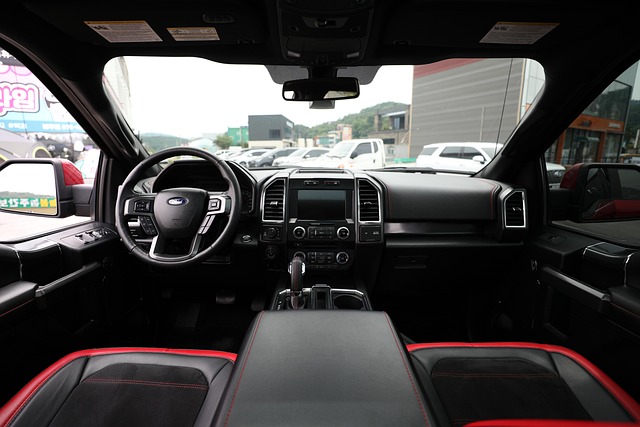
To complete the car registration process in California, you’ll need to submit your application and pay the associated fees at a Department of Motor Vehicles (DMV) office. This crucial step involves verifying your vehicle’s identity through a Vehicle Identification Number (VIN) inspection, ensuring that your car meets all safety and environmental standards before granting official registration. During your visit, bring all necessary documents, including proof of insurance, ownership transfer paperwork, and any applicable fees.
At the DMV, you’ll be required to conduct a VIN inspection, which can be done either in-person or through a mobile vin inspection service. This verification process involves scanning and cross-referencing your vehicle’s unique VIN with state records to confirm its authenticity and history. In some cases, especially for older or classic cars, a professional mobile vin verification service might be preferable. These services send a specialist to your location, offering convenience and expertise in handling complex or rare vehicles. For instance, a study by the California DMV found that mobile vin inspections reduced processing times by 20% while enhancing accuracy rates.
After successful VIN verification, you can proceed with paying the registration fees. These fees vary based on vehicle type and emissions standards met. It’s advisable to check the current fee schedule beforehand to avoid unexpected charges. Once all requirements are fulfilled, including any necessary emissions tests, your car will be officially registered, allowing you to legally operate it within California’s jurisdiction.
Register Your Vehicle Online: A Step-by-Step Guide

Registering a car in California can be a straightforward process, especially when utilizing the state’s online system. This step-by-step guide will walk you through the digital journey of VIN verification and vehicle registration, ensuring a smooth experience.
Begin by gathering your essential documents. You’ll need your Vehicle Identification Number (VIN), which is typically located on the vehicle’s driver-side door frame or in its owner’s manual. A valid registration card or proof of insurance is also necessary. For a seamless process, consider using a mobile VIN verification service that allows you to inspect your vehicle’s history remotely. This modern approach saves time and effort, as it provides instant access to detailed vehicle information, including accident reports and odometer readings.
Next, visit the California Department of Motor Vehicles (DMV) website. Here, you’ll find an online registration form designed for both new and transferred registrations. Fill in the required details accurately, ensuring your VIN is correctly entered. Some counties may offer the option to pay online, while others require a visit to a local DMV office. For those with busy schedules, mobile VIN inspection apps can be a game-changer, offering convenient and immediate results, allowing you to complete the registration process from the comfort of your home or on the go.
Once submitted, your application will undergo processing. The DMV will verify your VIN through their system and cross-reference it with national databases for accuracy. This step is crucial in ensuring the vehicle’s history is clear and unaltered. Upon approval, you’ll receive your registration documents, which may be mailed or made available for pickup at a local DMV office. Always double-check the details on these documents to ensure they match your vehicle and application information.
By systematically navigating the preparation of required documents, understanding California’s vehicle registration process, verifying your Vehicle Identification Number (VIN) accuracy, and choosing between in-person or online submission, you’ve equipped yourself with the knowledge to successfully register your car in California. This comprehensive guide ensures a seamless transition, emphasizing the significance of VIN verification throughout for both traditional and digital registration methods. Armed with these insights, you’re now ready to complete the process efficiently and with confidence.