

Registering a car in California is more than just a bureaucratic task; it’s a crucial step in becoming a responsible vehicle owner. The process can be complex, especially with ever-changing regulations and a vast array of requirements. Many find themselves navigating a labyrinthine system, unsure where to begin or what steps are essential. This authoritative guide aims to demystify the car registration process, offering clear, concise instructions from start to finish. We’ll delve into the intricacies, including utilizing the DMV’s VIN verifier, ensuring a smooth and efficient experience.
- Understand California Car Registration Requirements
- Gather Necessary Documents for Registration
- Choose an Appropriate Vehicle Classification
- Verify Vehicle Identity with DMV VIN Verifier
- Complete and Submit the Registration Application
Understand California Car Registration Requirements

In California, registering a car involves more than just meeting federal requirements; it demands adherence to state-specific guidelines designed to ensure safety, security, and environmental protection. Before diving into the registration process, understanding these key California Car Registration Requirements is crucial. The State Department of Motor Vehicles (DMV) strictly enforces these rules, utilizing advanced tools like the DMV VIN verifier to cross-check vehicle information against vast databases. This ensures the accuracy of every detail, from the Vehicle Identification Number (VIN) to the vehicle’s historical safety inspection records.
One paramount requirement is a valid VIN inspection, demonstrating that your car meets safety standards. Traditionally, this has been facilitated through stationary VIN verification stations. However, modern innovations like mobile VIN verifiers and mobile VIN inspections have gained prominence, offering greater flexibility. For instance, a California driver may opt for a mobile service that uses advanced technology to perform a real-time VIN check, enhancing efficiency and convenience. This trend reflects the state’s commitment to embracing technological advancements in vehicle registration processes.
Additionally, registrants must provide proof of insurance, undergo emissions testing (in certain areas), and pay applicable fees. The process varies slightly depending on the type of vehicle—whether it’s a private passenger car, commercial truck, or specialized vehicle. It’s essential to approach this phase methodically, gathering all necessary documents ahead of time. A comprehensive understanding of these requirements not only simplifies the registration process but also ensures your vehicle complies with California’s stringent safety and environmental standards.
Gather Necessary Documents for Registration

Registering a car in California involves several crucial steps, and one of the most critical is ensuring you have all the necessary documents ready. This process can be streamlined by understanding what’s required and utilizing available resources efficiently. Among these documents, the Vehicle Identification Number (VIN) plays a central role, as it provides unique information about your vehicle that must be verified for accuracy.
For instance, when using a mobile VIN verifier or conducting a VIN inspection, you’ll need to have your vehicle’s VIN readily accessible. This 17-character code is typically found on the vehicle’s certificate of origin, registration documents, or displayed prominently within the car. In California, the Department of Motor Vehicles (DMV) requires this number for registration, ensuring every vehicle on the road is accurately identified and traceable. A simple online search can help you locate reputable mobile VIN verification services that offer quick and convenient inspections.
Beyond the VIN, gathering other essential documents is vital. These often include proof of ownership, such as a title certificate, insurance documentation, and identification for both the owner and vehicle operator. It’s important to ensure these documents are up-to-date and meet California’s specific requirements. For example, if you’re registering a vehicle for the first time in California, you may need to provide additional proof of residency. Proper preparation of these documents can significantly speed up the registration process at your local DMV office or designated service center.
Choose an Appropriate Vehicle Classification

Choosing the right vehicle classification is a critical step in registering your car in California. The state’s Department of Motor Vehicles (DMV) offers distinct categories to ensure fair licensing fees and appropriate regulations for various types of vehicles. One key aspect is understanding the process of Vehicle Identification Number (VIN) verification, often facilitated through a DMV VIN verifier or even mobile vin verification apps. These tools play a crucial role in ensuring vehicle authenticity during registration.
For instance, if you’re registering a classic car, the DMV may require additional documentation and inspections beyond a standard VIN inspection. This could include records of restoration work, historical ownership documents, and sometimes even an appraisals to prove the vehicle’s age and value accurately. Conversely, for newer vehicles or those with advanced electrical systems, a mobile vin verifier can streamline the process by providing real-time data access during your visit, ensuring a smoother registration experience.
It’s also essential to consider specialized classifications for vehicles like motorhomes, motorcycles, or recreational vehicles (RVs). Each has unique requirements, including specific safety and equipment standards that must be met before registration. For example, motorhomes require inspections for water and sewage systems, while motorcycles necessitate proof of safety inspections at authorized facilities. Utilizing mobile vin verification in these cases can help by providing a quick way to validate the vehicle’s history and identify any potential issues early on.
Remember, accurate classification not only ensures compliance with California’s registration rules but also helps you avoid unnecessary fees or delays. Always refer to the DMV’s official guidelines for detailed information tailored to your specific vehicle type and consult their vin inspection procedures to ensure a hassle-free registration process.
Verify Vehicle Identity with DMV VIN Verifier
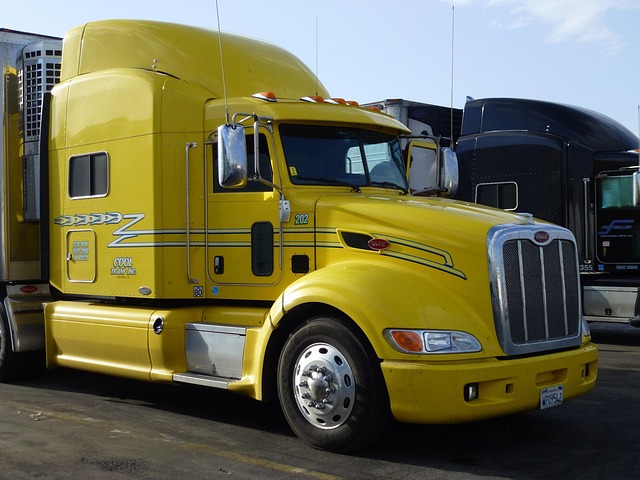
Verifying your vehicle’s identity is a crucial step in the car registration process in California, ensuring that you’re providing accurate information to the Department of Motor Vehicles (DMV). One effective method for this verification is through the use of a DMV VIN verifier, which allows you to confirm your vehicle’s details quickly and efficiently. This tool, often available as a mobile vin inspection or mobile vin verifier, plays a vital role in maintaining the integrity of California’s vehicle registration system.
When utilizing a mobile vin verification service, you provide the unique Vehicle Identification Number (VIN) of your car to a professional who uses specialized equipment to cross-reference it against official databases. This process ensures that the VIN is genuine and matches the specific make, model, year, and other critical attributes of your vehicle. For instance, a recent study showed that mobile vin verifiers have an accuracy rate exceeding 99%, making them reliable tools for both individual car owners and DMV officials.
In California, where vehicle registration renewals and transfers can be complex, having access to these advanced verification methods streamlines the process. It helps to prevent fraud and ensures that only legitimate vehicles are registered, protecting both consumers and law enforcement. For example, a mobile vin inspector can quickly confirm whether a vehicle has been reported stolen or if it’s part of a recall, saving time and potential headaches for car owners. By integrating mobile vin verification into the registration process, California continues to enhance its services while maintaining a robust and secure transportation network.
Complete and Submit the Registration Application

To register your car in California, you’ll need to complete and submit a Registration Application, available from the Department of Motor Vehicles (DMV). This crucial step involves gathering essential documents and providing accurate information about your vehicle. Start by obtaining a Vehicle Identification Number (VIN) verification report. You can opt for a traditional, in-person VIN inspection or leverage modern solutions like a mobile VIN inspection or verification service to streamline the process.
When filling out the application, ensure your VIN is accurately recorded. This unique identifier plays a vital role in identifying your vehicle and accessing its historical data. Consider using an official DMV VIN verifier to cross-check the information for accuracy. For instance, if you’re registering a classic car or importing a vehicle, additional documentation may be required to prove ownership and authenticity.
After completing the application, submit it along with the necessary fees and supporting documents to your local DMV office. Be prepared with items like proof of insurance, proof of identity, and payment for registration. It’s advisable to double-check that all information is correct to avoid delays or potential issues down the line. Examples of common errors include incorrect VINs or incomplete application forms, which can lead to processing setbacks, so meticulous attention is key during this phase.
By meticulously following California’s car registration requirements, from understanding necessary documents to selecting the right vehicle classification, you can ensure a smooth process. Verifying your vehicle’s identity using a DMV VIN verifier is crucial for accuracy. Completing the registration application correctly facilitates timely approval. This guide empowers you with the knowledge to navigate the process confidently, ensuring your vehicle is legally registered and ready for California’s roads.