

Registering a car in California is not just a bureaucratic task; it’s a crucial step for any new vehicle owner to ensure legal compliance and protection. However, navigating the process can be daunting, with complexities that often leave folks unsure where to begin. This authoritative guide aims to demystify the car registration process, offering clear, concise steps tailored specifically to California requirements. We’ll delve into everything from gathering essential documents to utilizing reliable tools like the DMV VIN verifier to streamline your experience and ensure a smooth, stress-free registration.
- Understand California Car Registration Requirements
- Gather Necessary Documents for Registration
- Verify Vehicle Identification Number (VIN) with DMV
- Complete the Registration Application Process
- Submit and Pay for Your Car Registration
Understand California Car Registration Requirements

Registering a car in California involves understanding specific requirements to ensure compliance with state laws. The California Department of Motor Vehicles (DMV) enforces strict regulations for vehicle registration, emphasizing the importance of accurate and up-to-date information. One critical aspect is the verification process, which includes both a Vehicle Identification Number (VIN) inspection and the use of a DMV VIN verifier. This two-pronged approach ensures that the vehicle’s history is checked against any reported accidents or outstanding issues, enhancing safety and security for all California drivers.
A key element in this process is mobile VIN verification, where an inspector can perform the check on-site during the registration. This service, often offered by specialized companies, allows for a swift and convenient way to confirm a vehicle’s authenticity. For instance, if you’re buying a used car from a private seller, ensuring the VIN is accurate before finalizing the transaction is crucial. The DMV recommends this step to prevent fraud and ensure that only legitimate vehicles are registered. Moreover, regular mobile VIN inspections can help identify potential issues early on, promoting road safety.
While the primary responsibility lies with the owner, understanding these requirements beforehand can streamline the registration process. It’s advisable to gather all necessary documents, including proof of insurance, before visiting a DMV office or utilizing their online services. Additionally, being prepared for potential fees and turn-around times can save time and reduce anxiety. By adhering to these guidelines, California drivers can confidently navigate the car registration process, ensuring their vehicles meet the state’s stringent standards.
Gather Necessary Documents for Registration
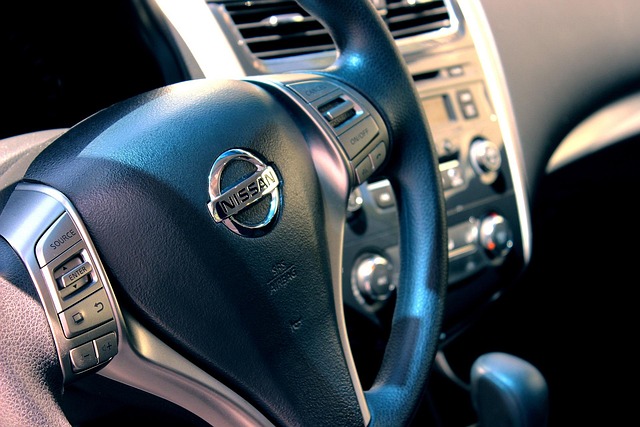
Before you can register your car in California, you’ll need to gather a crucial set of documents. This process is essential for ensuring a smooth transition from prospective vehicle owner to registered driver. Among these documents, the Vehicle Identification Number (VIN) plays a critical role, serving as a unique fingerprint for your car that allows the California Department of Motor Vehicles (DMV) to verify its authenticity and history.
One efficient way to obtain this verification is through a mobile VIN verifier or inspection service. These services utilize advanced technology to pull comprehensive vehicle history reports, including accident records, ownership history, and maintenance logs, directly from industry databases. Consider using a reputable app or online tool that integrates with the DMV’s system for streamlined registration.
For instance, many modern car buyers opt for mobile VIN verification as it offers convenience and time savings—no need to visit a DMV office or dealership. With just a few clicks on your smartphone, you can access detailed vehicle specifications and history, including a check for any outstanding recalls or liens. This proactive approach not only simplifies registration but also helps in making informed purchasing decisions by uncovering potential hidden issues.
Additionally, some mobile VIN verifier apps provide comparative pricing analysis against similar vehicles, enabling smarter negotiations. Remember to keep all documentation organized during this process, as it will be essential when submitting your registration application at the DMV.
Verify Vehicle Identification Number (VIN) with DMV

Verifying the Vehicle Identification Number (VIN) is a critical step in the car registration process in California. This unique 17-character code acts as a fingerprint for your vehicle, providing essential details such as its make, model, year, and even manufacturing location. To ensure accuracy and streamline the registration, it’s crucial to use a reliable DMV VIN verifier. The California Department of Motor Vehicles (DMV) offers several options, including mobile VIN verifiers, which can be used by authorized individuals or businesses for a quick and efficient inspection.
One of the primary benefits of utilizing a mobile VIN verification service is its convenience. These tools allow you to perform the check from virtually anywhere, eliminating the need for visits to DMV offices or waiting in long lines. Moreover, mobile VIN verifiers can save time by providing instant results, enabling you to address any discrepancies before proceeding with registration. For instance, if the VIN data reveals a title issue or a reported theft, you’ll be able to take corrective action promptly.
To utilize these services, individuals or business representatives typically access a user-friendly platform, input the VIN code, and receive detailed information within seconds. Mobile VIN inspection apps often include additional features like vehicle history reports, which offer insights into past ownership, accident records, and maintenance histories. This comprehensive data can be invaluable when evaluating a used car’s condition and ensuring its legal status for registration.
Complete the Registration Application Process

To complete the registration application process for a car in California, you’ll need to gather essential documents and pass a Vehicle Identification Number (VIN) inspection. The California Department of Motor Vehicles (DMV) recommends using a DMV VIN verifier, either through their online services or by visiting a local office. One effective method is employing a mobile VIN verifier, which can streamline the initial inspection step. This technology allows you to quickly validate the vehicle’s history and ensure it meets all legal requirements, saving time and effort compared to traditional methods of VIN inspection.
First, prepare your documents, including proof of ownership, identification, and current registration (if applicable). Next, schedule or perform a mobile VIN inspection. This step is crucial as it verifies the vehicle’s identity, accident history, and outstanding recalls. Many mobile verifiers provide instant results, enabling you to address any issues before proceeding with registration. For instance, if the system detects significant damage, you may need to arrange repairs or consult with a professional to ensure your car meets California’s safety standards.
Once your VIN inspection is complete and any necessary repairs are made, submit your application at a DMV office or online. Be prepared with all required documents, fees, and proof of insurance. An accurate and complete application expedites the process, ensuring a smoother transition to registering your vehicle in California. Remember that a well-prepared application not only saves time but also reduces the risk of delays or issues later in the registration process.
Submit and Pay for Your Car Registration

To register your car in California, you’ll need to submit certain documents and pass a vehicle inspection. The process begins with gathering essential paperwork, including proof of ownership, valid identification, and a completed application form. Once prepared, visit or contact the California Department of Motor Vehicles (DMV) to initiate the registration. A key step in this process is utilizing the DMV’s Vehicle Identification Number (VIN) verifier, which ensures the accuracy of your vehicle’s information.
The VIN verifier plays a crucial role in confirming the authenticity of your car’s details. This online tool allows you to input your vehicle’s unique VIN and access critical data about its history, including accident reports, title records, and maintenance records. In California, it is mandatory to conduct this mobile vin verification as part of the registration process. By employing this digital inspection, you can ensure that your car meets all safety and legal standards before finalizing the registration.
Consider scheduling your VIN inspection 1-2 weeks in advance to avoid delays. Many DMV locations offer appointment booking options, allowing for a smoother experience. If you’re unable to visit in person, don’t worry; mobile vin verifiers provide an alternative solution. These applications enable you to perform the VIN inspection from the comfort of your home or on the go. Examples include official DMV apps or third-party tools that collaborate with the California DMV to offer this service, ensuring a convenient and efficient registration process.
By following these straightforward steps—from understanding California’s car registration requirements to completing the application process with accurate verification of your vehicle’s VIN using a DMV VIN verifier—you can ensure a smooth, efficient, and legally compliant registration experience. This article has provided essential insights into navigating the system, empowering you to register your vehicle confidently and securely.