

Registering a car in California is a critical step for any new or existing vehicle owner, ensuring legal compliance and ownership protection. However, navigating the process can be challenging, with numerous requirements and potential pitfalls. This article serves as your comprehensive guide, offering step-by-step instructions and expert insights to streamline the registration process. We’ll delve into essential aspects like gathering necessary documents, understanding fee structures, and the crucial role of Vehicle Identification Number (VIN) verification in ensuring the authenticity of your vehicle. By the end, you’ll be well-equipped to register your car with confidence.
- Understand California Car Registration Requirements
- Gather Necessary Documents for VIN Verification
- Choose a Suitable Title and License Agency
- Complete the Application Process Step-by-Step
- Verify and Ensure Accurate VIN Information
Understand California Car Registration Requirements

Registering a car in California involves more than just filling out paperwork; it’s a process that requires understanding specific requirements to ensure compliance with state regulations. The California Department of Motor Vehicles (DMV) oversees vehicle registration, and it mandates several crucial steps for both new and existing vehicle owners. One critical aspect is the verification of the Vehicle Identification Number (VIN), which serves as a unique fingerprint for every car. This process can be completed through traditional means or with the aid of a mobile VIN inspection service, offering flexibility to residents.
A key requirement is ensuring that the VIN on the vehicle matches the one listed in the title and registration documents. This step is vital to prevent fraud and ensure the safety of California’s roads. Moreover, owners must meet specific eligibility criteria, such as ensuring the car is legally imported and has passed all necessary emissions tests. It’s advisable to check with local DMV offices for any additional regional requirements that might apply. For instance, some counties may mandate additional fees or documentation beyond what is typically needed statewide.
Mobile VIN inspection services have gained popularity due to their convenience and efficiency. These services send a specialized technician to conduct a thorough VIN verification, ensuring the number is legitimate and matches the vehicle’s components. This approach is particularly useful for busy individuals who require swift and accurate registration without disrupting their daily schedules. By employing a mobile vin verifier, California residents can streamline the registration process, saving time and effort while maintaining compliance with state laws.
Gather Necessary Documents for VIN Verification

Before registering your car in California, you must gather all the necessary documents for VIN verification, a crucial step in ensuring the legitimacy of your vehicle. The California Department of Motor Vehicles (DMV) requires a detailed inspection of your car’s Vehicle Identification Number (VIN), which acts as a unique fingerprint for each vehicle. This process is designed to combat fraud and ensure that only authentic cars are registered.
For a seamless VIN verification, you’ll need several key documents. Firstly, obtain the Certificate of Title from the previous owner if it’s available. This document contains the critical VIN information and must be presented during the registration process. Additionally, gather your car’s registration papers from any previous states where it was registered, as these may also include relevant VIN details. If you’re importing a vehicle, prepare import documents that certify the vehicle’s history and authenticity.
For added convenience and accuracy, consider utilizing mobile VIN verification services. These services send a specialized technician to your location to conduct a thorough inspection of your car, ensuring all required documentation is correctly filled out and submitted to the DMV. Mobile VIN inspections have gained popularity due to their efficiency and the peace of mind they offer, especially for those who prefer not to visit a DMV office. Examples of such services include Carfax and AutoCheck, which provide detailed vehicle history reports and facilitate the verification process.
Choose a Suitable Title and License Agency
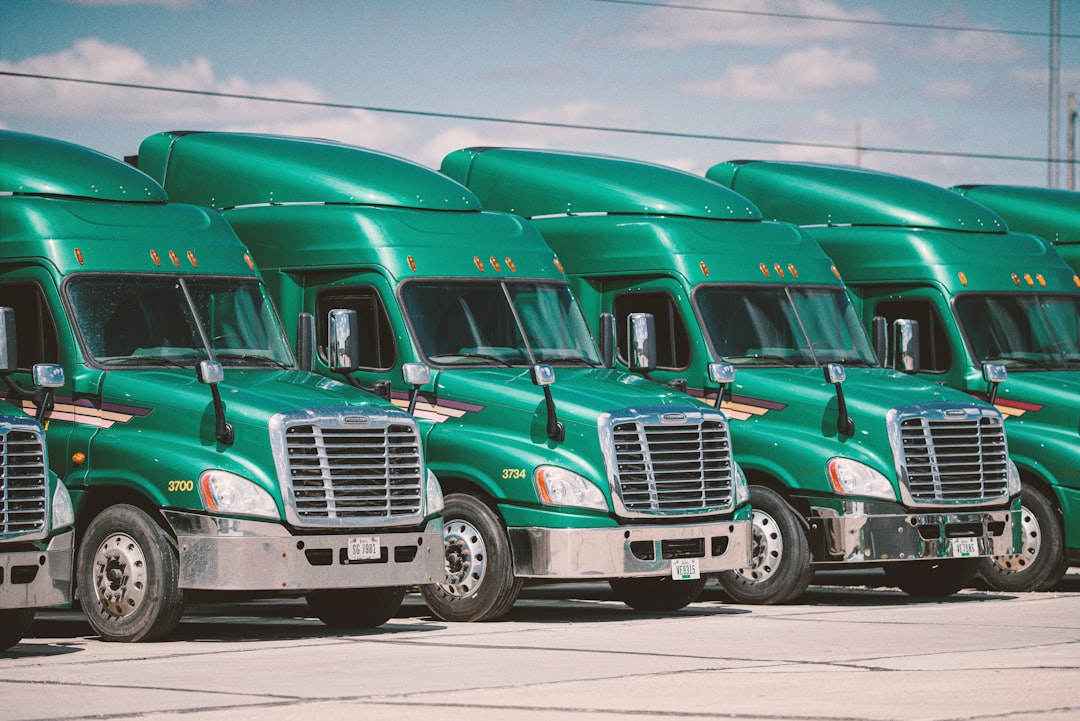
Choosing the right agency for your vehicle’s registration is a crucial step, as it directly impacts the efficiency and accuracy of the process. In California, selecting an authorized Title and License Agency (TLA) is essential, especially given the state’s stringent regulations. When considering where to register your car, look for agencies that offer comprehensive services, including mobile VIN verification. This innovative service allows for a remote inspection of your vehicle’s unique Vehicle Identification Number (VIN), streamlining the initial stages of registration.
A reliable TLA will have access to national databases and utilize advanced technology, such as mobile VIN inspectors, to verify the authenticity of your car’s history. This is particularly important when buying a used vehicle, as it helps prevent fraud and ensures you’re aware of any potential issues or hidden costs. For instance, a recent study by the California Department of Motor Vehicles (DMV) revealed that up to 10% of vehicles with suspicious histories were successfully identified through VIN inspections, highlighting their effectiveness in maintaining the integrity of the registration process.
When comparing TLAs, consider their reputation, turnaround times, and additional services. Some agencies offer expedited registration, which can be beneficial if you’re transferring a vehicle quickly or need to register a classic car for a special event. Others might provide online platforms for easy submission of documents, ensuring a more convenient experience. Opting for an agency with a mobile VIN inspection service ensures a seamless, stress-free process, allowing you to focus on enjoying your newly registered vehicle.
Complete the Application Process Step-by-Step
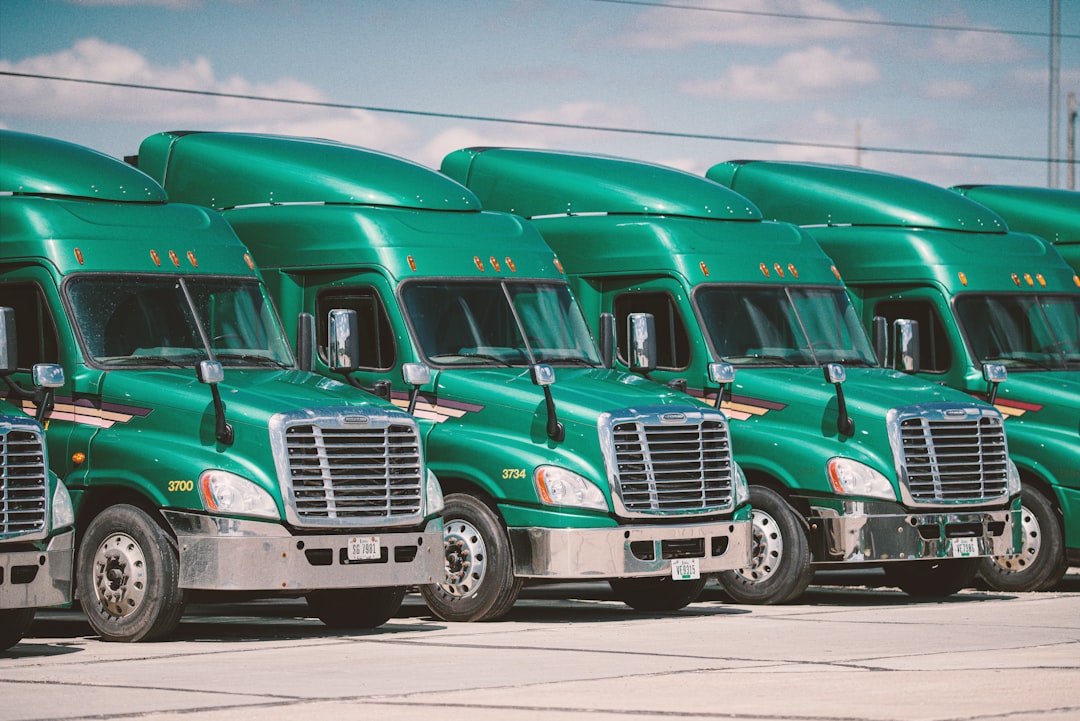
Registering a car in California involves several crucial steps to ensure your vehicle is legally recognized on state roads. Here’s a step-by-step guide focusing on the application process, emphasizing best practices for a smooth and accurate registration experience. Begin by gathering essential documents, including proof of ownership through a bill of sale or previous registration, current vehicle inspection report, and valid identification like a driver’s license. Once prepared, proceed to the California Department of Motor Vehicles (DMV) website to generate a unique application bar code, ensuring your information is accurate and up-to-date.
Next, complete the Application for Title and Registration form, available online or at any DMV field office. This involves providing detailed vehicle specifications, including the Vehicle Identification Number (VIN), which is essential for vin verification. Accurate VIN entry is critical; consider using a mobile VIN verifier to cross-reference and ensure no discrepancies, as incorrect data can delay processing. Include all required fees, payable by cash, check, or credit card, avoiding late payment penalties.
After submission, the DMV will conduct internal inspections, verifying your application’s completeness and accuracy, including the validity of any included documents, such as insurance proof and title transfer forms. They may request additional information or documentation if discrepancies are identified. For instance, mobile VIN verification can be a part of this process, ensuring the vehicle’s history is accurately represented to detect potential issues early on. Once approved, you’ll receive your registration certificate and license plates, allowing your vehicle to legally operate on California roads.
Verify and Ensure Accurate VIN Information

Verifying and ensuring accurate Vehicle Identification Number (VIN) information is a critical step in the car registration process in California. The VIN is a unique code that identifies your vehicle, and its accuracy is paramount for several reasons. Firstly, an incorrect VIN can lead to significant delays or even rejection of your registration application. Secondly, it plays a vital role in ensuring that the right vehicle is associated with the correct owner, records, and documents.
In California, mobile VIN inspection and verification services have become increasingly popular, offering a convenient and efficient way for residents to ensure their VIN data is accurate. Mobile VIN verifiers can cross-reference the information against state databases, manufacturers’ records, and national vehicle history reports. For instance, services like Carfax or AutoCheck provide detailed vehicle histories, including accident reports, ownership changes, and maintenance records, all of which are essential for a thorough VIN verification.
When utilizing mobile VIN inspection services, it’s crucial to choose reputable providers who employ advanced technology and secure data transmission methods. These verifiers typically require you to input your VIN through their apps or websites and then provide real-time feedback on the vehicle’s status. If discrepancies are found, such as a reported odometer rollback or a history of damage, immediate action should be taken to address these issues before proceeding with registration. This proactive approach ensures that you’re not only compliant with California’s regulations but also protects you from potential legal and financial risks associated with inaccurate VIN information.
By thoroughly understanding California’s car registration requirements, gathering essential documents for VIN verification, selecting a reputable title and license agency, and meticulously completing the application process step-by-step, you can ensure a smooth and legally compliant vehicle registration. Accurate VIN information is paramount during this process, serving as a critical component in verifying ownership and preventing fraud. This authoritative article equips readers with the knowledge and practical steps necessary to navigate the car registration process confidently, safeguarding their investment and ensuring compliance with California’s regulations.