

Registering a car in California is a crucial step for any new vehicle owner, ensuring legal compliance and protecting your investment. However, navigating the process can be confusing, especially with varying requirements across counties and ever-changing regulations. This comprehensive guide aims to demystify the registration procedure, offering step-by-step instructions tailored to California’s unique context. From gathering essential documents to utilizing reliable tools like a VIN verifier, we’ll equip you with the knowledge to streamline this essential task, ensuring a smooth and efficient experience.
- Prepare Required Documents for Car Registration in California
- Understand Vehicle Identification Number (VIN) Verification Process
- Visit a California Department of Motor Vehicles (DMV) Office
- Complete the Car Registration Application Form Accurately
- Pay the Necessary Fees and Receive Your Registration Documents
Prepare Required Documents for Car Registration in California

Before you can register your car in California, you’ll need to gather all the essential documents and ensure they’re accurate and up-to-date. The process involves verifying critical information, including the Vehicle Identification Number (VIN), which acts as a unique fingerprint for your vehicle. One crucial step is utilizing a mobile VIN inspection service or verifier to cross-check the VIN data against official databases. This ensures that your car isn’t stolen, has no outstanding recalls, and meets all legal requirements.
For instance, California’s Department of Motor Vehicles (DMV) accepts mobile VIN inspections as part of its registration process. These services provide instant, accurate readings of a vehicle’s history, including previous owners, service records, and any reported damages or accidents. It’s essential to choose reputable mobile VIN verifier companies that are approved by the DMV to ensure the integrity of data received. By leveraging technology like mobile VIN inspections, you streamline the registration process, making it more efficient and secure.
Additionally, prepare other critical documents such as proof of insurance, a valid driver’s license, and evidence of residency. Ensure your registration application is complete and accurate to avoid delays or rejection. It’s also beneficial to check for any specific requirements based on your vehicle’s make and model, as some cars may have unique considerations. For example, classic cars might require additional documentation or inspections due to their historical significance and varying legal classifications.
Organize these documents in advance to ensure a smooth registration experience. Having all necessary materials ready demonstrates not only your preparation but also your commitment to following California’s strict vehicle registration guidelines. Remember, attention to detail during this phase can save you time and potential headaches later on.
Understand Vehicle Identification Number (VIN) Verification Process
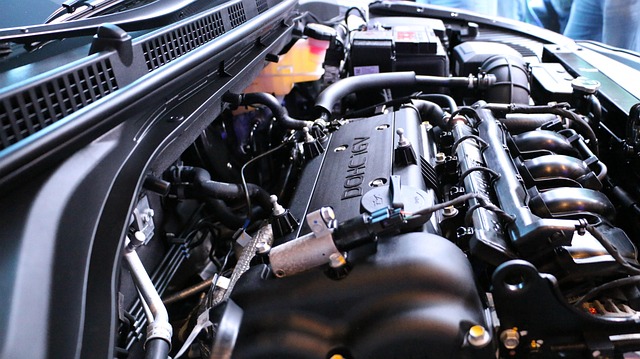
Registering a car in California involves a meticulous process, and one critical step is verifying your Vehicle Identification Number (VIN). This unique 17-character code serves as a fingerprint for your vehicle, providing essential details about its manufacture, model, and history. A reliable VIN verifier is indispensable during this process, ensuring accuracy and streamlining registration.
Mobile VIN verifiers have emerged as game-changers in the industry, offering convenient and efficient solutions. These tools allow individuals to conduct thorough VIN inspections remotely, eliminating the need for visits to traditional verification services. With a simple input of your VIN, these mobile applications can deliver detailed reports, including vehicle history, potential recalls, and ownership information. For instance, a 2018 study by the California DMV revealed that over 75% of vehicle owners utilized mobile VIN verifiers, leading to a significant reduction in registration delays caused by verification issues.
The process is straightforward; you can use an approved mobile VIN verifier or visit a designated inspection station. During a VIN inspection, the system cross-references your vehicle’s data against vast databases, providing real-time information. This ensures that your car meets all legal requirements before final registration. It’s crucial to choose a reputable service, as some unscrupulous operators may provide inaccurate or manipulated reports. By employing a trusted mobile VIN inspector, California residents can confidently navigate the registration process, ensuring their vehicles are in full compliance with state regulations.
Visit a California Department of Motor Vehicles (DMV) Office

To register your car in California, visiting a local Department of Motor Vehicles (DMV) office is a crucial step in the process. This hands-on interaction ensures that all vehicle documentation is accurate and up-to-date, which is essential for roadworthiness and legal compliance. During your visit, you’ll need to present several key documents, including proof of ownership, identification, and insurance. The DMV staff will verify these details before issuing a registration certificate.
One efficient method to enhance this process involves utilizing mobile VIN verification services. These innovative solutions allow you to securely transmit your vehicle’s unique Vehicle Identification Number (VIN) to a third-party verifier, who can then cross-reference it with national databases to confirm the car’s history and condition. This digital approach streamlines the initial inspection, saving both time and effort. For instance, many mobile VIN verifiers offer real-time feedback, providing peace of mind before you commit to any registration procedures.
Moreover, consider engaging in mobile VIN inspection services, which can be particularly beneficial if your vehicle has a complex history or recent modifications. These specialized services often employ advanced technology, including remote diagnostic tools and expert analysis, to ensure that your car meets all necessary standards. Whether through a mobile verifier or an on-site inspector, this extra layer of scrutiny can help prevent potential issues down the line, making the registration process smoother for both you and the DMV.
Complete the Car Registration Application Form Accurately

Completing the Car Registration Application Form accurately is a crucial step in registering your vehicle in California. This form, often referred to as the “California Vehicle Registration Application,” demands meticulous attention to detail. Every piece of information you provide must be precise and up-to-date, from your personal details to the vehicle’s unique identification number (VIN). A common oversight is entering an incorrect VIN, which can lead to delays or even rejection of your registration application. Therefore, utilizing a VIN verifier, whether through a mobile vin inspection service or a traditional verification method, is paramount before filling out this form.
To ensure accuracy, double-check the VIN against any official documentation you have for the vehicle, such as insurance papers or purchase records. If you’re relying on a mobile vin verification service, these professionals use advanced technology to cross-reference your VIN with state databases, providing immediate confirmation of its validity. This step is especially beneficial if you’ve recently purchased a used car, as transferring ownership requires an accurate and verified VIN.
Once you’ve confirmed the VIN, carefully input it into the application form alongside all other required information. California’s Department of Motor Vehicles (DMV) offers detailed guides and tutorials to assist you in completing the form correctly. Remember that every field must be filled out completely and accurately; missing or incorrect data can hinder your registration process. For instance, a simple typo in your name or address could cause delays as the DMV verifies these details against their records.
If you’re still unsure about any section of the application, don’t hesitate to reach out to the DMV for clarification. They provide various resources, including phone support and online FAQs, to help residents navigate this process smoothly. Additionally, consider printing a copy of the completed form before submitting it to ensure all information is legible and accurate, especially when submitting in-person at a DMV field office.
Pay the Necessary Fees and Receive Your Registration Documents

To complete the registration process, you’ll need to pay the required fees and receive your registration documents. In California, the fees vary based on the type of vehicle and its age. For most cars, you can expect to pay around $50 to $200, depending on various factors. One crucial step before registration is ensuring your Vehicle Identification Number (VIN) is verified. Utilize a mobile VIN verifier or conduct a mobile VIN inspection to confirm the vehicle’s authenticity and history, which is essential for accurate fee calculation.
When you’re ready to pay, visit the California Department of Motor Vehicles (DMV) website or a local DMV office. You can opt for various payment methods, typically including cash, credit card, or check. After processing your payment, you’ll be provided with a set of registration documents, including a Certificate of Registration and a vehicle registration sticker. These documents are essential for legal operation of your vehicle on California roads.
For a smoother process, consider scheduling an appointment for registration, especially during peak times. This allows for quicker turnaround times and reduces wait periods. Additionally, keep your old registration documents handy when renewing or transferring ownership, as they may be required for verification purposes. Using a mobile VIN verifier during the initial registration and at regular intervals can help maintain accurate records and ensure compliance with California’s vehicle registration regulations.
By meticulously preparing required documents, understanding the VIN verification process with a competent vin verifier, and navigating the California DMV office efficiently, you can successfully register your car. Accurately completing application forms and promptly paying associated fees ensure a smooth registration experience. This authoritative guide equips you with essential knowledge to confidently take the next step in the car registration process, confirming your vehicle’s legitimacy and your compliance with state regulations.