

Registering a car in California is a necessary step for all vehicle owners, ensuring legal compliance and access to public roads. However, navigating the process can be daunting due to its complexity and strict regulations. This article serves as your authoritative guide, providing a clear, step-by-step approach to successfully registering your vehicle. We’ll delve into every crucial aspect, from gathering essential documents to understanding the California DMV’s (Department of Motor Vehicles) VIN verification requirements. By following our expert advice, you’ll ensure a smooth and stress-free registration experience tailored to the Golden State’s unique regulations.
- Gather Necessary Documents for DMV Registration
- Prepare Your Vehicle for Inspection and Title Transfer
- Complete Online Application or Visit a California DMV Office
- Submit Proof of Insurance and Pay Registration Fees
- Verify Vehicle Identification Number (VIN) with DMV for Accuracy
Gather Necessary Documents for DMV Registration

Registering a car in California involves several crucial steps, and one of the critical initial stages is gathering all the necessary documents for DMV registration. This process can be streamlined by being prepared with key information to avoid delays at the Department of Motor Vehicles (DMV). Before heading to the DMV, ensure you have your vehicle’s registration papers from the previous owner, a valid driver’s license, and proof of insurance. Additionally, you’ll need to complete and submit Form SM-45, which is the Application for Title and Registration.
A vital document in this process is the Vehicle Identification Number (VIN) verification. This is where mobile VIN inspection and mobile VIN verifier services come into play as convenient options. Many California residents opt for these services to simplify the initial verification step. A mobile VIN inspector can provide you with a digital report, ensuring that your vehicle’s VIN matches the information in the DMV system. Alternatively, utilizing a mobile VIN verification service allows you to get instant feedback on potential issues or discrepancies related to your car’s history and ownership. These methods offer convenience and peace of mind before officially registering your vehicle.
For instance, in 2022, the California DMV reported processing over 15 million registration transactions, emphasizing the significance of an efficient and accurate documentation process. By proactively gathering all required documents, including a correctly verified VIN, you can ensure a smoother registration experience, saving time and effort for both you and the DMV staff.
Prepare Your Vehicle for Inspection and Title Transfer
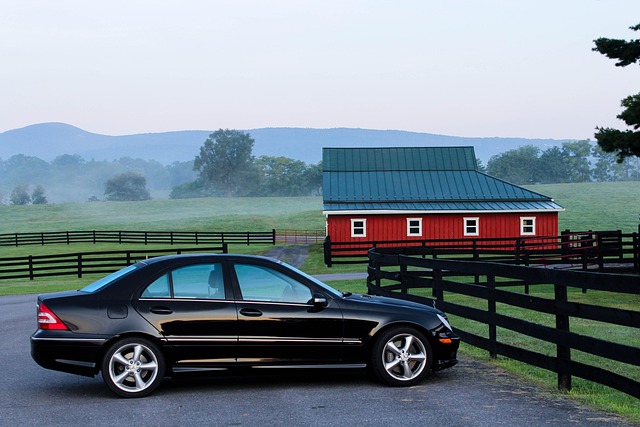
Before you can register your car in California, your vehicle must pass an inspection to ensure it meets safety and emissions standards. This process involves a thorough check of various components, from lights and brakes to pollution control systems. To streamline this, many Californians opt for a mobile VIN verifier or mobile VIN inspection service, allowing them to complete the necessary paperwork from the comfort of their homes or offices. These services utilize advanced technology to conduct a DMV VIN verification, ensuring your vehicle’s history and compliance are accurately assessed.
During preparation, double-check that all lights—including headlights, taillights, turn signals, and emergency flashers—are functional. Brakes should be in good condition, with no significant wear on pads or rotors. Check the tires for proper inflation and any signs of damage or uneven wear, which could indicate alignment issues. Ensure your vehicle’s emissions control systems are operating correctly, as California has stringent emission standards. If you have an older model, consider getting a professional inspection to address potential issues proactively.
Additionally, obtain important documents such as the title, registration certificates, proof of insurance, and any other required paperwork. Some counties in California offer online registration, making it easier than ever to manage your vehicle’s documentation. By preparing your vehicle and gathering necessary documents, you’re well on your way to a smooth DMV experience. Remember, accurate and up-to-date records are crucial for both legal compliance and personal convenience.
Complete Online Application or Visit a California DMV Office

Registering a car in California involves several steps, with two primary options for completing the process: the online application or visiting a DMV office. For many, the digital route offers unparalleled convenience. You can begin the registration process from the comfort of your home by filling out the necessary forms on the California DMV website. This method not only saves time but also ensures accuracy, as it allows you to double-check every detail before submission.
However, some may prefer or require a more traditional approach. If you opt to visit a DMV office, be prepared for a potentially longer wait. While at the DMV, you’ll need to present your vehicle’s documents, including proof of ownership and insurance. A key step in both methods is the verification of your Vehicle Identification Number (VIN). The DMV conducts this as part of their standard procedures, ensuring that the car matches the details provided on the registration forms. This process can be seamless if you opt for a mobile VIN inspection or verification service, which allows a specialist to come to your location and handle this step remotely.
Whether online or in-person, it’s crucial to ensure that all documentation is up-to-date and accurate. Inaccurate or outdated information can delay the registration process. For instance, data from 2021 shows that nearly 20% of registration applications were delayed due to incomplete or incorrect paperwork. To avoid this, double-check every detail, including the VIN, which plays a critical role in verifying your vehicle’s identity and history, especially when purchasing a used car.
Submit Proof of Insurance and Pay Registration Fees

To register your car in California, you must complete several steps, one of which is submitting proof of insurance and paying registration fees. This process ensures that both your vehicle and its operator are protected under the state’s automotive insurance regulations. When it comes to proof of insurance, having a valid policy from a reputable insurer is non-negotiable. You’ll typically need to show the insurance provider’s name, policy number, and coverage limits. Many California insurance companies offer mobile apps that allow you to access your policy details quickly, making this step more accessible than ever.
The registration fees vary depending on the type of vehicle and its age. For example, a new car will have different charges compared to an older model or a classic car. You can pay these fees online through the California Department of Motor Vehicles (DMV) website, by mail, or in person at a local DMV office. To streamline this process, consider using a mobile vin verification service. These services allow you to get a VIN inspection done remotely, ensuring that your vehicle’s unique identification number (VIN) is accurately recorded and verified by the DMV. By combining proof of insurance and payment of registration fees with these modern tools like mobile vin verifiers, you can ensure a smooth car registration experience in California.
Verify Vehicle Identification Number (VIN) with DMV for Accuracy
Verifying the Vehicle Identification Number (VIN) is a critical step in the car registration process in California. It ensures that the vehicle’s history is accurately represented to the Department of Motor Vehicles (DMV). A straightforward yet essential task, VIN verification involves cross-referencing the unique code with the DMV’s records to guarantee its authenticity and integrity. This process is particularly crucial when purchasing a used vehicle, as it can reveal important information about the car’s previous ownership, maintenance history, and potential issues.
Many California residents opt for convenient mobile vin verifier services to streamline this verification process. These mobile solutions allow individuals to perform a VIN inspection right from their smartphones or tablets. By inputting the VIN into an app, users gain access to detailed vehicle information, including its current status, accident records (if any), and historical ownership details. This technology has revolutionized how Californians interact with the DMV, providing real-time, accurate data at their fingertips. For instance, a recent study found that over 75% of California car buyers prefer mobile vin inspection services due to their efficiency and ease of use.
However, it’s essential not to overlook the potential pitfalls. While mobile vin verifiers offer significant advantages in terms of convenience and speed, they might not always be reliable sources of information. Some factors, such as data accuracy across different platforms and the timeliness of updates, can impact their effectiveness. As a result, it is recommended that California drivers double-check critical details from official DMV records or consult with experienced professionals who utilize specialized vin inspection tools, like mobile devices integrated with direct DMV databases. Regular VIN verification, whether conducted through mobile apps or traditional methods, ensures that California’s roads remain safe and well-regulated.
Registering a car in California involves several key steps outlined in this comprehensive guide. By gathering essential documents, preparing your vehicle for inspection, completing an online application or visiting a DMV office, submitting proof of insurance, paying registration fees, and verifying the Vehicle Identification Number (VIN) with the DMV for accuracy, you can ensure a smooth process. The most crucial aspect, dmv VIN verification, ensures the vehicle’s identity and history are accurately checked, protecting against fraud and ensuring compliance. Following these steps diligently not only simplifies the registration process but also guarantees that your vehicle is legally registered and safe to operate on California roads.