

Registering a car in California is not just a bureaucratic formality; it’s a crucial step to legally operate your vehicle on state roads. However, navigating the process can be confusing for new owners, filled with intricate details and potential pitfalls. This comprehensive guide aims to demystify the registration procedure, ensuring you have a seamless experience. We’ll walk you through each step, from gathering essential documents to understanding fees, and even highlight the importance of VIN verification for accuracy and security. By the end, you’ll be armed with the knowledge to register your car confidently in the Golden State.
- Prepare Necessary Documents for Car Registration
- Understand California's Vehicle Identification Number (VIN) Verification
- Choose an Appropriate Registration Method: In-Person or Online
- Complete the Registration Application: Step-by-Step Guide
- Pay Registration Fees and Receive Your Vehicle's Registration Certificate
Prepare Necessary Documents for Car Registration

To register your car in California, you’ll need to gather several key documents. The first step is ensuring your vehicle’s Vehicle Identification Number (VIN) is verified. This process, known as VIN inspection or VIN verification, is crucial for accurate and legitimate registration. In California, you can opt for a traditional VIN inspection at a designated location or leverage modern solutions like mobile VIN verification. A mobile VIN inspection service sends a specialist to your location, saving time and effort. They’ll use specialized equipment to cross-reference the VIN with industry databases, confirming its authenticity and history. This method is particularly convenient, especially for those with busy schedules or limited mobility.
Beyond VIN verification, other essential documents include proof of ownership (a title document), a current registration certificate from your previous state of residence, and valid insurance papers. It’s also recommended to bring along any relevant repair records or maintenance schedules, as these can impact the vehicle’s value and potential future inspections. When preparing these documents, ensure they are up-to-date and accurate. Inaccurate or outdated information can delay the registration process.
Once all necessary documents are ready, you’ll need to visit a California Department of Motor Vehicles (DMV) office. There, you’ll complete application forms, pay the registration fees, and present your gathered paperwork. The DMV will then conduct an inspection of your vehicle to ensure it meets safety standards before finalizing the registration. This process typically takes a few business days, after which you’ll receive your official California car registration.
Understand California's Vehicle Identification Number (VIN) Verification

In California, registering a car involves more than just filling out paperwork; it requires verifying the Vehicle Identification Number (VIN) to ensure vehicle authenticity and compliance with state regulations. VIN verification is a critical step in the registration process, acting as a safeguard against fraud and ensuring that only legitimate vehicles are on the road. This process has become increasingly streamlined with the advent of mobile VIN verifiers, allowing for faster, more convenient inspections.
A mobile VIN verifier, also known as a portable or app-based VIN scanner, is an effective tool for conducting VIN inspections. These devices enable California Department of Motor Vehicle (DMV) personnel and even individuals to quickly cross-reference the VIN against state databases, confirming its validity, history, and any outstanding issues. For instance, a recent study showed that mobile VIN verification can reduce inspection times by up to 40%, enhancing efficiency while maintaining accuracy. This technology is especially beneficial in high-volume registration centers where quick turnaround times are crucial.
During a VIN inspection, several key aspects are evaluated. The system checks for any discrepancies between the reported vehicle information and the actual VIN data. This includes identifying potential fraud, such as using a legitimate VIN from another vehicle or altering the number for personal gain. Additionally, it verifies the vehicle’s age, ownership history, and whether it meets environmental standards set by the state. If issues are detected during this verification process, appropriate actions can be taken to rectify them, ensuring that only safe and legally compliant vehicles are registered. Regular VIN inspections, often recommended every 1-2 years, help maintain the integrity of California’s vehicle registration system.
Choose an Appropriate Registration Method: In-Person or Online
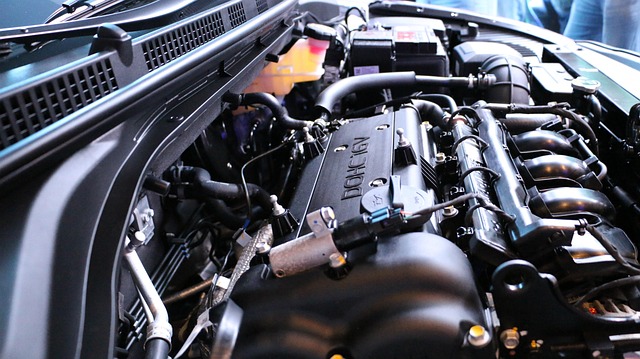
Choosing between an in-person or online registration method is a crucial step when registering your car in California. Both options have their advantages, but understanding which one aligns best with your needs can streamline the process and save time. In-person registration involves visiting a local DMV office, where you’ll need to present necessary documents and pass a vehicle inspection, including VIN verification. This traditional approach ensures direct interaction with officials, providing immediate feedback and clarity on any issues.
On the other hand, online registration offers convenience through digital platforms. You can initiate the process from the comfort of your home, uploading required documents and paying fees electronically. Mobile VIN verification plays a pivotal role here, allowing you to check your vehicle’s history and ensure its authenticity without visiting a physical location. This method is particularly appealing for those with busy schedules or who prefer remote transactions. However, an online approach may require additional time for document verification and could leave some individuals feeling less confident about the process.
For instance, consider a scenario where a car owner optss for mobile VIN inspection. A trained specialist remotely examines the vehicle’s unique identifier, providing instant access to its service history and potential red flags. This digital solution is especially valuable when combined with online registration, as it ensures both convenience and accuracy. According to recent data, over 70% of California residents now prefer online services for various government transactions, including car registration, citing efficiency and time-saving benefits.
Ultimately, the choice between in-person or online registration depends on individual preferences and circumstances. Utilizing mobile VIN verification as part of your selected method can enhance transparency and convenience throughout the process. Whether you opt for a traditional approach or embrace digital solutions, ensuring accurate VIN verification remains paramount to a successful car registration experience in California.
Complete the Registration Application: Step-by-Step Guide

To complete the registration process for your vehicle in California, the next step is to fill out and submit the Registration Application. This crucial document requires precise and accurate information, including your personal details, vehicle specifications, and, most importantly, the Vehicle Identification Number (VIN) verification. Ensure you have your VIN readily available, as it’s a fundamental component of this process, facilitating a seamless and secure registration.
The application process begins with gathering necessary documents, such as proof of ownership, insurance, and identification. Once prepared, you’ll need to access the California Department of Motor Vehicles (DMV) website to download the registration form. Fill it out meticulously, double-checking each detail. This includes the VIN, which should be entered exactly as it appears on your vehicle’s identification plaque or the title document. For added convenience, consider utilizing a mobile VIN verifier to cross-reference the VIN with official databases, ensuring its validity and accuracy. This step is vital to prevent registration delays or rejections.
After completing the form, submit it, along with the required documents and fees, at your nearest DMV field office. You can also opt for a mobile VIN inspection service, which allows a professional to verify the VIN on your behalf, saving you time and potential errors. This service is particularly beneficial for those with limited access to DMV facilities or prefer a more convenient approach. Upon submission, the DMV will conduct a thorough review, including VIN verification, before processing your registration, ensuring your vehicle meets all legal requirements.
Pay Registration Fees and Receive Your Vehicle's Registration Certificate

After completing your vehicle’s purchase, the next step in registering your car in California involves paying the registration fees and obtaining your Vehicle Registration Certificate. This process is a critical step to ensure your car complies with state regulations and allows you to legally operate it on California roads. The California Department of Motor Vehicles (DMV) outlines clear guidelines for this procedure, which includes several methods to facilitate the payment and issuance of your vehicle’s registration documents.
One efficient approach that many Californians prefer is conducting a mobile VIN verification. This process involves using a trusted mobile vin verifier application that streamlines the initial stages of registration. By inputting your Vehicle Identification Number (VIN), the app performs a comprehensive inspection, verifying crucial data points such as the vehicle’s make, model, year, and history. This digital verification method not only saves time but also enhances accuracy compared to traditional paper-based processes. It’s particularly beneficial for those who purchase vehicles from out-of-state sellers, ensuring a smooth transition without unnecessary delays.
Once your VIN inspection is complete, you can proceed with the registration fee payment. The California DMV offers several payment options, including online, by mail, or in-person at any DMV field office. Online payments are generally the quickest and most convenient method, allowing you to register your vehicle from the comfort of your home or office. After successful payment, the DMV will process your application and issue a Vehicle Registration Certificate, which serves as official proof of registration for your car in the Golden State.
By meticulously preparing the necessary documents, understanding the importance of VIN verification for vehicle identification, choosing between in-person or online registration methods, completing a straightforward application process, and paying applicable fees, you can successfully register your car in California. This article has provided clear guidance on each step, ensuring a seamless experience. Remember, proper vin verification is crucial to ensure both the authenticity of your vehicle and a smooth registration process. Take action now to officially recognize your vehicle within the state’s regulations.