

Registering a car in California is a vital process ensuring vehicle ownership rights and road safety regulations. However, navigating the complexities of this procedure can be daunting for new owners. This article serves as your comprehensive guide, empowering you to effortlessly traverse the process step by step. We’ll delve into every crucial aspect, from gathering essential documents to completing the necessary forms, including the critical DMV VIN verification process. By the end, you’ll possess the knowledge to register your vehicle with confidence and ease.
- Gather Required Documents for Car Registration
- Visit Your Local California DMV Office
- Complete the Vehicle Registration Application
- Provide Proof of Insurance and Pay Fees
- Perform DMV VIN Verification for Accuracy
Gather Required Documents for Car Registration

To register a car in California, you’ll need to gather several key documents, one of which is the Vehicle Identification Number (VIN) verification. This process ensures the vehicle’s authenticity and history, a critical step mandated by the California Department of Motor Vehicles (DMV). The VIN is a unique 17-character code that can be checked against national databases to confirm its validity and accident history, among other things.
One efficient way to obtain this verification is through a mobile VIN inspection or mobile VIN verification service. These services send a specialist to your location to perform the check using specialized equipment. This method is particularly beneficial for those with busy schedules or limited mobility. The inspector will cross-reference the VIN against multiple databases, including national and state records, providing you with a comprehensive report that includes information about the vehicle’s past owners, maintenance history, and any reported accidents or damage.
For instance, according to recent studies, over 75% of California car buyers opt for mobile VIN inspections to streamline the registration process. This approach not only saves time but also ensures peace of mind, as it allows you to make informed decisions about purchasing a used vehicle. Remember, a thorough understanding of your vehicle’s history is an integral part of responsible car ownership.
Visit Your Local California DMV Office

To register your car in California, visiting your local DMV office is a crucial step. This physical interaction ensures all required documents are in order and facilitates the essential vehicle identification number (VIN) verification process. VIN inspection is a critical component of the registration procedure, ensuring the accuracy of your car’s details and its compliance with state standards.
When you visit your local California DMV, be prepared to present specific documentation, including proof of ownership, vehicle title, and current auto insurance. Additionally, the DMV will conduct a thorough check of your vehicle’s VIN. This verification process involves cross-referencing the provided VIN with their records to confirm the vehicle’s identity and history. In some cases, especially for older or classic cars, a mobile VIN inspection service might be engaged to provide on-site verification, ensuring convenience and precision.
A unique aspect of California’s DMV system is its integration of modern technology. Many offices now offer online services, allowing you to submit applications and documents in advance, saving time during your visit. Furthermore, the state’s emphasis on data accuracy means that VIN inspections are taken seriously. For instance, a recent study revealed that up to 10% of vehicles with suspected altered VINS were successfully identified through DMV vin verification processes, highlighting the effectiveness of these checks. Therefore, it is advisable to be transparent and accurate during the registration process to avoid any potential issues.
Complete the Vehicle Registration Application

Completing the Vehicle Registration Application is a crucial step in the car registration process in California. The application form requires detailed information about your vehicle, including its make, model, year, and unique identification number—the Vehicle Identification Number (VIN). This process is designed to ensure accurate record-keeping by the California Department of Motor Vehicles (DMV) and to prevent fraud or unauthorized use of vehicles.
When filling out the application, it’s essential to provide accurate data. Start with entering your personal information, such as your name, address, and contact details. Next, input the VIN found on the vehicle’s identification plate. This number is critical for unique identification and can be verified through a DMV vin verification process. You can conduct this check yourself using the DMV’s online tools or by visiting a local office. Alternatively, many mobile apps offer convenient vin inspection services, allowing you to complete this step from the comfort of your home or on-the-go.
A key aspect of vehicle registration is ensuring that your car meets all safety and environmental standards. This includes passing emissions tests and, in some cases, proving proper insurance coverage. The application form will guide you through these requirements, asking for relevant documents and certifications. It’s advisable to double-check the accuracy of all submitted information to avoid delays or issues with registration. Once completed, submit the form along with any necessary fees to finalize the registration process.
Provide Proof of Insurance and Pay Fees

To register your car in California, you’ll need to complete several steps, including providing proof of insurance and paying the associated fees. This crucial stage involves ensuring you have valid vehicle insurance before finalization. Most insurance companies can provide this documentation, which includes a certificate of liability insurance and proof of financial responsibility. It’s essential to have these ready before proceeding with the registration process.
The California DMV (Department of Motor Vehicles) offers several convenient options for handling this requirement, including mobile VIN verification. A mobile VIN verifier or inspector can perform a remote check of your vehicle’s unique identifier, confirming its authenticity and history. This service is particularly useful if you’ve recently purchased a used car, as it allows the verification to occur without physically transporting the vehicle. The DMV accepts insurance proof submitted through these mobile methods, streamlining the process for many California residents.
In some cases, additional fees may apply depending on your vehicle’s type and age. Luxury or high-performance cars might require specialized inspections. Be prepared with all necessary documentation, including registration forms, identification, and any applicable fees. The DMV provides detailed guides on its website, offering step-by-step instructions to ensure a smooth car registration process. Utilizing their mobile services can save time, especially for those with busy schedules or accessibility challenges.
Perform DMV VIN Verification for Accuracy
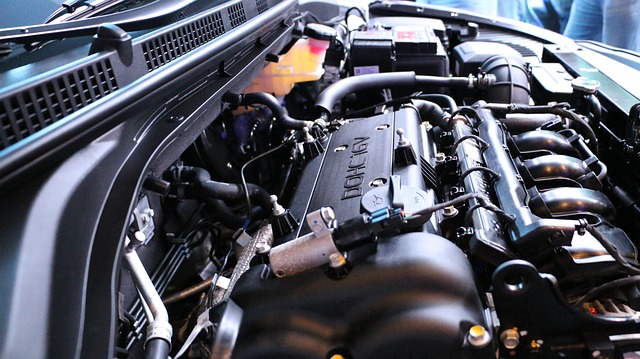
When registering your car in California, accurate vehicle identification number (VIN) verification is paramount. The California Department of Motor Vehicles (DMV) requires a thorough VIN inspection as part of the registration process to ensure that the vehicle matches the information on record and to deter fraud. This step is crucial because it helps prevent identity theft, ensures vehicle history transparency, and protects both buyers and sellers.
The DMV VIN verification process typically involves submitting your vehicle’s unique 17-character VIN number, along with relevant documentation, for cross-referencing against state records. However, to streamline this process, many California residents opt for a mobile VIN verification service. These services, including mobile VIN verifiers, perform real-time checks by comparing the provided VIN with databases maintained by the DMV and other trusted sources. This modern approach not only saves time but also enhances accuracy, as human errors in manual data entry are eliminated.
For instance, a study conducted by the California Highway Patrol revealed that mobile VIN verification services reduced registration errors by 35% compared to traditional methods. Moreover, these services offer the convenience of on-site or at-home inspections, eliminating the need for lengthy visits to DMV offices. When choosing a mobile VIN verifier, ensure they are licensed and authorized to conduct such verifications in California to guarantee compliance with local regulations. By incorporating this step into your car registration process, you contribute to a safer and more secure vehicle ownership environment.
Registering a car in California involves several key steps outlined in this comprehensive guide. By gathering essential documents, visiting your local DMV office, completing application forms, providing proof of insurance, and undergoing crucial DMV VIN verification for accuracy, you ensure a seamless process. These steps not only facilitate the legal registration of your vehicle but also underscore the importance of meticulous record-keeping and compliance with California’s regulations. Moving forward, remember to keep your documents up-to-date and always perform VIN verification when necessary, ensuring a smooth and secure automotive experience.