
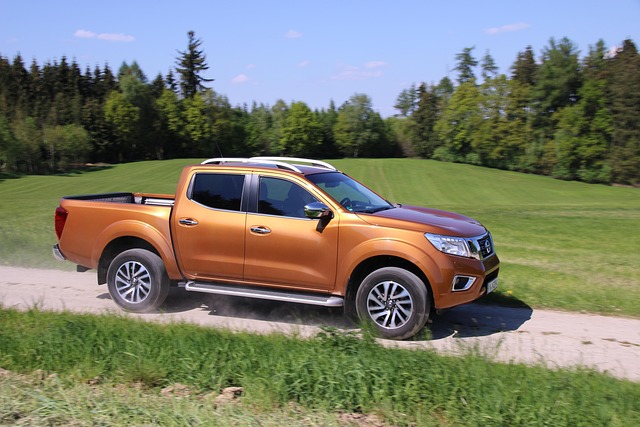
Looking to register your car in California? Our step-by-step guide makes the process hassle-free. First, understand California’s vehicle registration requirements, which involve providing essential documents and completing a VIN (Vehicle Identification Number) verification. Next, gather all necessary paperwork, including proof of insurance and ownership. Then, submit your application online or in-person to the DMV, along with any required fees. Finally, receive your California registration plate and official documents, ensuring a smooth transition as you hit the open road.
- Understand California Vehicle Registration Requirements
- Gather Necessary Documents for Car Registration
- Complete Online Vehicle Identification Number (VIN) Verification
- Submit Application and Pay Fees to DMV
- Receive Your California Registration Plate and Documents
Understand California Vehicle Registration Requirements

Before registering your car in California, it’s crucial to understand the state’s specific requirements for vehicle registration. The process involves several steps and documents to ensure compliance with local laws. One essential aspect is the verification of the Vehicle Identification Number (VIN). California requires a VIN inspection to confirm the authenticity and condition of the vehicle.
A mobile vin inspection or mobile vin verifier can be particularly useful in this process, allowing for convenient and efficient VIN verification. These services provide on-site checks, ensuring that the car’s details match the information on record with the Department of Motor Vehicles (DMV). This step is critical to prevent fraud and ensure that all vehicles on California’s roads meet the necessary safety standards.
Gather Necessary Documents for Car Registration

Before you begin the car registration process in California, it’s crucial to gather all necessary documents. This includes your vehicle’s Registration Application (Form DVF-1), which can be obtained online or from a California Department of Motor Vehicles (DMV) office. Additionally, you’ll need proof of insurance, a valid driver’s license, and the vehicle’s title. The Vehicle Identification Number (VIN) is another critical piece of information. Consider using a mobile vin verifier to quickly and conveniently obtain this data, as it plays a key role in verifying ownership and ensuring your car complies with California’s regulations.
Among these documents, the VIN stands out because it’s essential for identifying your vehicle uniquely. A mobile vin inspection or mobile vin verification service can streamline this process by providing you with an accurate and official VIN record, which is necessary for completing your registration. Make sure all your documents are up-to-date and in order to avoid any delays during the registration procedure at the DMV.
Complete Online Vehicle Identification Number (VIN) Verification

Before initiating the car registration process in California, it’s crucial to complete a VIN (Vehicle Identification Number) verification. This step is essential for ensuring the vehicle’s authenticity and history, which directly impacts the registration approval. Fortunately, there are convenient options available like mobile vin verification services that allow you to conduct this inspection from the comfort of your location.
A reputable mobile vin verifier can perform a thorough check, providing you with detailed information about the vehicle’s past, including any accidents, maintenance records, and outstanding issues. This digital approach streamlines the process, eliminating the need for visits to designated facilities or dealing with bureaucratic red tape. Ensure the service you choose is reliable and trusted to deliver accurate and up-to-date data, making your car registration experience in California as smooth as possible.
Submit Application and Pay Fees to DMV
To complete the registration process, it’s time to submit your application and fees to the California Department of Motor Vehicles (DMV). This involves a few key steps. First, ensure your vehicle passes a vin verification, which is a crucial part of the registration process. You can facilitate this with a mobile vin verifier or by conducting a vin inspection at a designated location. Once your vehicle’s details are confirmed, fill out the necessary application forms, providing accurate and up-to-date information about your car’s ownership, history, and specifications.
Along with the application, you’ll need to pay the required fees. These include registration costs and other associated charges that vary based on your vehicle type and age. After submitting your paperwork and fees, the DMV will process your request, and once approved, they will issue a registration certificate, officially making your car legal on California roads.
Receive Your California Registration Plate and Documents

After completing your car’s purchase and ensuring all necessary paperwork is in order, it’s time to receive your official California registration plate and associated documents. This crucial step involves a few key actions. First, schedule or conduct a Vehicle Identification Number (VIN) verification to ensure the vehicle’s details match the documentation. You can opt for a traditional vin inspection at a designated location or utilize a mobile vin verifier for added convenience.
Once your VIN is verified, you’ll be ready to collect your registration plate and other required materials, including proof of insurance and a bill of sale. These documents are essential during the registration process, which typically takes place at your local California Department of Motor Vehicles (DMV) office.
Registering a car in California is a straightforward process that requires understanding specific requirements and gathering essential documents. By completing the steps outlined, including online VIN verification, submitting the application, and paying the necessary fees, you’ll be on your way to receiving your California registration plate and official documents. This ensures legal compliance and allows you to hit the road with confidence.