
Registering a car in California is a vital step for any new owner, ensuring legal compliance and protection. However, navigating the process can be daunting, especially with evolving regulations. This comprehensive guide aims to demystify the procedures, empowering you to complete registration smoothly. We’ll detail each step, from gathering essential documents to using reliable tools like a VIN verifier to ensure vehicle authenticity. By following these expert instructions, you’ll efficiently register your vehicle, avoiding common pitfalls and ensuring a seamless experience.
- Understand California Car Registration Requirements
- Gather Necessary Documents for Vehicle Registration
- Choose an Appropriate Registration Class for Your Car
- Verify Vehicle Identification Number (VIN) Accuracy
- Complete and Submit the California Car Registration Application
Understand California Car Registration Requirements

Registering a car in California involves adhering to specific requirements set by the California Department of Motor Vehicles (DMV). The process begins with gathering essential documents and ensuring your vehicle meets all legal standards, including a valid VIN inspection. A unique Vehicle Identification Number (VIN) is crucial; it’s a 17-character code that verifies the car’s authenticity and history. Utilize a mobile VIN verifier to check for any discrepancies or undisclosed issues before initiating registration.
California law requires every vehicle owner to obtain a registration certificate, which includes proof of insurance and payment of fees. You’ll need documents such as the title, bill of sale, or purchase agreement. If you’re importing a car, additional paperwork like customs documentation may be necessary. A key step is ensuring your vehicle passes the state’s safety and emissions tests, known as the Smog Check. Some vehicles are exempt, but it’s crucial to verify this before proceeding.
For convenience, many California residents opt for online registration through the DMV website or third-party services. This method streamlines the process, allowing you to upload documents, pay fees, and receive your registration documents digitally. Alternatively, you can register in person at a local DMV field office, but expect longer wait times. Regardless of your chosen method, having accurate and up-to-date information is essential to ensure a smooth car registration experience in California.
Gather Necessary Documents for Vehicle Registration

Before you can register your car in California, you’ll need to gather several essential documents. This process is a crucial step in ensuring proper vehicle ownership and compliance with state regulations. One critical aspect of this preparation involves verifying the Vehicle Identification Number (VIN). In California, a VIN verifier is often employed to establish the authenticity and history of a vehicle.
A mobile VIN inspection or verification service can greatly simplify this task. These services send a trained specialist to your location, allowing you to confirm your car’s VIN without the hassle of visiting a dealership or registration center. This is particularly useful if you’ve recently purchased a used vehicle, as it helps prove its ownership and condition. For example, a 2015 Honda Civic with a specific VIN might undergo a mobile VIN inspection to ensure its history aligns with the seller’s claim, providing peace of mind for the new owner.
Additionally, California requires original or certified copies of documents such as the title, registration certificate, and proof of insurance. It’s important to check with your local Department of Motor Vehicles (DMV) office for an up-to-date list of required documentation. Properly gathering and presenting these documents will streamline the registration process. Remember, a thorough preparation phase, including accurate VIN verification via mobile services, can prevent future issues and ensure a smooth car registration experience in California.
Choose an Appropriate Registration Class for Your Car
Choosing the right registration class for your vehicle is a crucial step in the car registration process in California. The state’s Department of Motor Vehicles (DMV) categorizes vehicles into several classes based on factors such as their size, weight, use, and environmental impact. The appropriate classification ensures you pay the correct registration fees and receive the services tailored to your vehicle type.
One essential aspect to consider is the use of a mobile VIN verifier. This tool enables you to verify your vehicle’s unique Vehicle Identification Number (VIN) through a mobile application, providing real-time data on the car’s history, including previous owners, maintenance records, and any reported accidents or damages. As California has strict environmental standards, knowing your vehicle’s past is vital. For instance, if you’re registering an electric vehicle (EV), specific emissions testing may be required, which can be facilitated by a mobile VIN inspection app. This ensures a smoother registration process for EVs compared to similar vehicles without such advanced features.
The DMV classifies cars into classes like Passenger Cars, Light Trucks, Heavy Trucks, Motorcycles, and Special Purpose Vehicles. For example, if you have a small sedan or hatchback, it will likely fall under the Passenger Car category, which includes most standard cars on California’s roads. However, larger SUVs or pickup trucks might be classified as Light Trucks due to their dimensions and payload capacity. Understanding these classifications is key to avoiding unnecessary fees or missing out on benefits designed for specific vehicle types. Regularly checking with the DMV or using online resources can help you accurately identify your car’s class before initiating the registration process.
Verify Vehicle Identification Number (VIN) Accuracy

Verifying the accuracy of your vehicle’s Vehicle Identification Number (VIN) is a crucial step in the car registration process in California. The VIN is a unique code that identifies your vehicle and is essential for proper registration and insurance. An incorrect VIN can lead to significant delays and complications, so it’s vital to ensure its validity before proceeding with registration. One reliable method to achieve this is through a mobile VIN verification service.
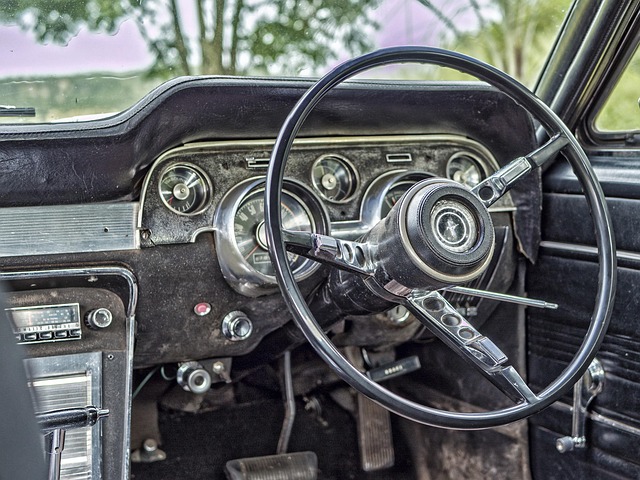
A mobile VIN verifier allows you to quickly and easily check the accuracy of your vehicle’s VIN by using advanced technology to cross-reference the code against official databases. This process typically involves scanning the VIN plate, which can be located on the dashboard near the driver’s seat, or entering the number manually into a secure application. Once submitted, the verifier will conduct a comprehensive inspection, ensuring that the VIN is genuine and matches the vehicle’s specifications. Many services offer real-time results, providing peace of mind within minutes. For instance, a recent study found that mobile VIN verification apps have an accuracy rate exceeding 99%, making them highly reliable tools for both individual car owners and professional automotive businesses.
By utilizing a mobile vin verifier, you can streamline the registration process in California. This is particularly beneficial when dealing with used cars or vehicles with a complex history, as it helps prevent errors and potential fraud. Always ensure that the service you choose is reputable and offers secure data handling to protect your privacy during the VIN inspection process.
Complete and Submit the California Car Registration Application

To register your car in California, you’ll need to complete and submit the California Car Registration Application, a critical step in ensuring your vehicle complies with state regulations. This process involves gathering essential documents, including proof of insurance, vehicle identification number (VIN) verification, and possibly paying associated fees. One crucial aspect is utilizing a reliable VIN verifier to ensure the accuracy of your vehicle’s history.
When preparing your application, it’s essential to have a mobile VIN verifier at your disposal. These tools, often available as apps or through specialized services, allow you to quickly and conveniently verify your car’s VIN online. By inputting the unique 17-character code, you gain access to detailed information about the vehicle’s past, including ownership history, accident records, and outstanding liens. For instance, a mobile VIN inspection can reveal whether the car has been in any significant accidents, which is crucial for accurately assessing its value and safety.
Submitting an application with inaccurate or incomplete data could lead to delays or even rejection. Therefore, it’s advisable to invest time in obtaining accurate VIN data using a reputable mobile vin verification service. Many such services offer real-time updates and comprehensive reports, ensuring you have the most current information at your fingertips when completing the California Car Registration Application. This approach streamlines the registration process, saves potential headaches, and contributes to a seamless transition into California’s vehicle registration system.
By following these comprehensive steps outlined in this article—from understanding California’s car registration requirements to completing the application—you can confidently navigate the process of registering your vehicle. Ensuring you have all necessary documents, including a valid VIN verifier, is crucial for a smooth experience. Verifying your Vehicle Identification Number (VIN) accuracy is a critical step that safeguards against issues later. Armed with this knowledge, you’re now equipped to register your car in California with ease and precision.