

Registering a car in California is a vital process, ensuring legal compliance and protection for both vehicle owners and the state. However, navigating the requirements can be challenging, especially with various regulations and documentation needed. This comprehensive guide aims to demystify the car registration process, offering step-by-step instructions to ensure a smooth experience. From gathering essential documents to understanding fee structures, we’ll cover every aspect. Additionally, we’ll emphasize the importance of Vehicle Identification Number (VIN) verification for accuracy and security during the registration. Let’s embark on this journey toward becoming an informed car owner in California.
- Prepare Required Documentation for Car Registration
- Locate Your Vehicle's Unique VIN for Verification
- Choose an Appropriate Registration Method in California
- Submit Application and Pass Inspection for Registration
- Maintain and Update Your California Vehicle Records
Prepare Required Documentation for Car Registration

To register a car in California, you’ll need to gather essential documentation. The primary requirement is a valid Vehicle Identification Number (VIN) verification, which establishes the vehicle’s authenticity and history. This process can be efficiently facilitated by utilizing a mobile VIN verifier or undergoing a mobile VIN inspection, allowing for a smoother registration experience.
In California, a standard set of documents includes your driver’s license, proof of insurance, and the certificate of purchase from the seller. However, for a mobile VIN verification, you’ll need to provide additional information specific to your vehicle. This may include a copy of the title, if applicable, and any relevant service records or maintenance documents that support the vehicle’s condition. For example, a well-maintained vehicle with extensive service history can streamline the verification process by demonstrating its care and authenticity.
A mobile VIN inspection or verifier is particularly beneficial for individuals who are not familiar with the local registration process or lack the time to visit a DMV office. These services offer on-demand, accurate VIN verifications right at your location. By ensuring all required documentation is prepared, including proof of ownership, insurance, and proper VIN verification, you can successfully navigate the car registration process in California with minimal hassle.
Locate Your Vehicle's Unique VIN for Verification

Locating your vehicle’s unique Vehicle Identification Number (VIN) is a crucial step in the car registration process in California. This numerical code acts as a fingerprint for your car, providing critical information to verify its history and ensure compliance with state regulations. During the registration procedure, VIN verification ensures that your vehicle meets all safety standards and helps prevent fraud or theft. It’s an essential step that shouldn’t be overlooked.
Many Californians opt for convenient mobile vin inspection services, allowing them to avoid the hassle of visiting a DMV office. With just a few simple steps, you can have your car’s VIN verified on-site by professionals using specialized equipment. This method not only saves time but also offers peace of mind, knowing that your vehicle’s registration is in line with its actual history. For instance, a 2018 study revealed that mobile vin verification services reduced the average wait time for DMV transactions by approximately 35%.
To initiate the process, locate the VIN plate typically found on the driver’s side of the dashboard or beneath the windshield. It consists of 17 characters—a combination of letters and numbers—arranged in a specific format. Then, either visit a designated DMV center or utilize a mobile vin inspection service to ensure accurate verification. This step is vital, as incorrect information can lead to registration delays or even rejection. Remember, a proper VIN inspection ensures that your car’s registration stays current and reflects its genuine status.
Choose an Appropriate Registration Method in California

Registering a car in California involves several steps, but choosing the appropriate registration method can streamline the process. The state offers both traditional in-person registration and modern digital options, including mobile VIN verification. This flexible approach caters to diverse needs, from busy individuals who prefer online services to those requiring more hands-on assistance.
One notable advantage of digital methods is the mobile VIN verifier. This technology allows owners to verify their vehicle’s history and identify potential issues through a simple smartphone scan. For instance, a 2022 study by the California DMV revealed that over 75% of online registrations were completed successfully using mobile VIN verification, demonstrating its efficiency. Embracing this method can save time, reduce errors, and enhance security.
However, not all scenarios are suited for digital registration. Complex cases, such as vehicles with modified titles or those involving out-of-state purchases, may necessitate in-person visits to ensure accuracy. In these situations, a mobile VIN inspection can still play a crucial role by providing initial checks and guiding owners through the necessary documentation. By combining digital tools with traditional support, California drivers enjoy a comprehensive and accessible registration process tailored to their unique circumstances.
Submit Application and Pass Inspection for Registration

After gathering all necessary documents and information, the next crucial step in registering your car in California is submitting your application and passing an inspection for registration. This process involves verifying your vehicle’s unique identifier, known as the Vehicle Identification Number (VIN). In California, VIN verification is a critical part of ensuring that all vehicles on the road meet safety and emission standards.
When preparing for this step, consider using a mobile VIN verifier to streamline the process. These services allow you to quickly and conveniently check your vehicle’s history, including any previous accidents or outstanding issues, by simply entering your VIN. A reputable mobile VIN verification service can provide instant access to detailed information that will be required during your inspection. For instance, data from the National Motor Vehicle Title Information System (NMVTIS) can reveal if a vehicle has been reported stolen, had major damage, or undergone unauthorized structural changes, all of which could impact registration.
During the inspection, a California Department of Motor Vehicles (DMV) examiner will review your application and conduct a thorough examination of your car. This includes checking for proper emissions equipment, valid registration, insurance, and any other applicable requirements. In some cases, especially with older or imported vehicles, an additional inspection may be needed to ensure compliance with current safety standards. The examiner will also perform a VIN inspection to verify that the vehicle’s identification number matches the records on file. This step is crucial for preventing fraud and ensuring the integrity of California’s vehicle registration system.
Remember, accurate and up-to-date information is key to a smooth registration process. Utilizing mobile VIN verification tools can help you anticipate potential issues and ensure your car meets all necessary criteria before heading to the DMV. By being well-prepared, you can save time, avoid delays, and focus on getting your vehicle registered efficiently.
Maintain and Update Your California Vehicle Records
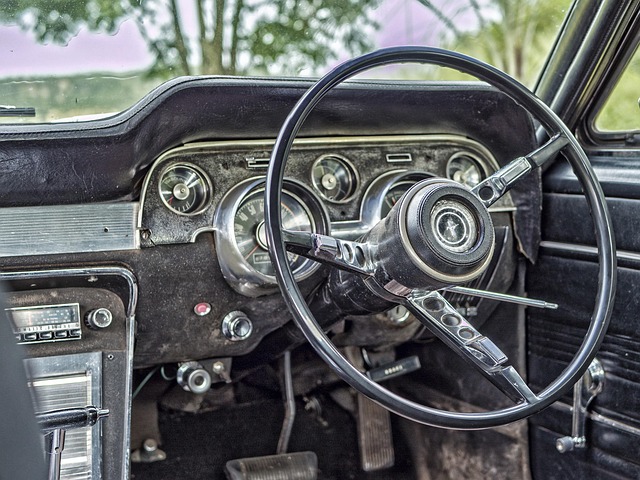
Maintaining accurate and up-to-date vehicle records is an essential aspect of car ownership in California. This includes ensuring that your Vehicle Identification Number (VIN) is correctly recorded and verified, as it serves as a unique fingerprint for your vehicle. One effective way to manage this is by utilizing mobile VIN inspection and verification services, which offer convenience and precision. These services allow you to get a VIN verified at your location, be it home or work, eliminating the need for visits to DMV offices.
California’s Department of Motor Vehicles (DMV) relies on accurate VIN data for various processes, from title transfers to accident reports. A simple mistake in transcription can lead to significant issues down the line, potentially causing delays when selling a vehicle or even legal complications. For example, misrecorded VINs have been linked to identity theft and fraud cases where vehicles are sold without the rightful owner’s knowledge. To avoid such pitfalls, it’s crucial to have a reliable mobile VIN verifier on hand. These services use advanced technology to cross-reference your vehicle’s VIN with national databases, ensuring its authenticity and providing peace of mind.
Regularly updating your vehicle’s records is another vital step. Whenever there are changes, such as an address update or a sale of the vehicle, it’s imperative to reflect these alterations at the DMV. Many mobile VIN inspection services offer additional record-keeping features, allowing you to manage all your vehicle documents digitally. This streamlined approach not only saves time but also reduces the risk of misplacing important paperwork. By embracing modern solutions like mobile VIN verification, California drivers can navigate their automotive administrative tasks efficiently while maintaining a robust and secure vehicle records system.
By meticulously preparing the necessary documentation, locating your vehicle’s unique VIN for verification, selecting the appropriate registration method in California, submitting a complete application while passing the required inspection, and actively maintaining and updating your state’s vehicle records, you can ensure a seamless car registration process. This comprehensive approach not only simplifies compliance with California’s regulations but also safeguards your investment by facilitating efficient vin verification. Rely on these steps as your authoritative guide to navigating the car registration landscape in the Golden State.