

Registering a car in California is a crucial step for any new vehicle owner, ensuring legal compliance and facilitating seamless road usage. However, navigating the process can be daunting, given the intricate procedures and documentation requirements. This comprehensive guide aims to demystify the process, providing step-by-step instructions tailored to the Golden State’s regulations. We’ll delve into every aspect, from gathering essential documents to utilizing tools like the DMV VIN verifier, ensuring a smooth registration experience for California drivers.
- Prepare Necessary Documents for Car Registration
- Visit Your Local California DMV Office or Use Online Services
- Verify Vehicle Identification Number (VIN) with DMV VIN Verifier
- Pay Registration Fees and Select Insurance Options
- Receive Your California License Plate and Official Documents
Prepare Necessary Documents for Car Registration

To register your car in California, you’ll need to gather essential documents, ensuring a smooth process. One crucial step is preparation—it involves more than just gathering forms. You must verify the Vehicle Identification Number (VIN), a unique code that identifies your vehicle’s make, model, and year. The California Department of Motor Vehicles (DMV) accepts both in-person and online registrations, but for convenience, many opt for mobile VIN verification services. These services allow you to confirm your car’s details remotely, saving time and effort.
A valid registration requires accurate information, including the vehicle’s VIN, ownership proof, and necessary fees. For example, if you’re transferring a title, you’ll need a completed Application for Change of Ownership (Form SM 700). If buying from a dealership, they typically handle this during the sale. However, private sales require more proactive measures to ensure compliance. Using a mobile VIN verifier can aid in this process by cross-referencing the provided VIN with manufacturer records, ensuring vehicle history accuracy before finalizing registration.
Some common documents needed include driver’s licenses, proof of insurance, and emissions test results. It’s essential to check the DMV’s requirements based on your car’s age, as certain vehicles may have additional inspections or documentation needs. For instance, older models might require historical inspection reports. By proactively preparing these documents, you can avoid delays during registration, ensuring your vehicle is legally compliant and ready for California’s roads.
Visit Your Local California DMV Office or Use Online Services
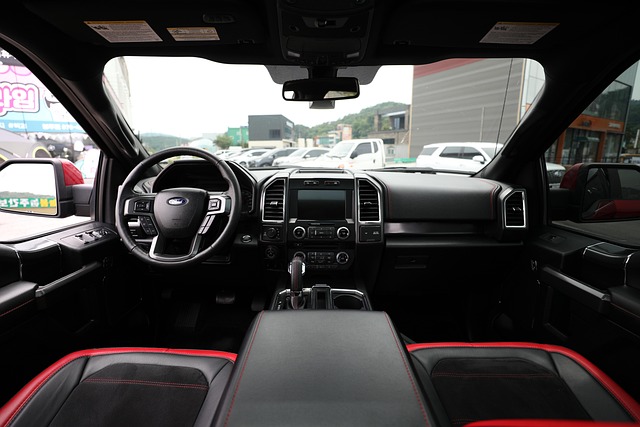
In California, registering your car involves a straightforward process, but there are two primary methods to choose from when it comes to visiting either a local DMV office or utilizing online services. Both options offer convenience and efficiency for car owners. For those who prefer in-person interaction, visiting a California DMV office is the traditional route. You’ll need to gather essential documents, such as proof of identity, residency, and vehicle ownership, before proceeding to a nearby DMV location. A staff member will guide you through the registration process, which includes verifying your Vehicle Identification Number (VIN). Using a dvm vin verifier during this step ensures accuracy and streamlines the inspection process.
However, for those seeking a more modern and flexible approach, California’s online registration services provide an alternative. You can begin the registration process on the official DMV website by creating an account and filling out necessary forms electronically. One key advantage of this method is the availability of mobile vin verifiers and mobile vin verification apps that allow you to input your VIN for preliminary checks and inspections from the comfort of your home or on-the-go. This digital approach not only saves time but also reduces potential errors, making it a popular choice among tech-savvy individuals.
Regardless of the method chosen, ensuring your vehicle’s details are accurate and up-to-date is crucial. Inaccurate information can lead to registration delays or even legal issues down the line. Utilizing mobile vin inspection tools for quick verifications before initiating the registration process is a strategic move that demonstrates proactive ownership. It’s worth noting that while online services offer convenience, some complex cases might require in-person interaction at a DMV office. Therefore, having both options available caters to diverse customer needs and preferences.
Verify Vehicle Identification Number (VIN) with DMV VIN Verifier
Verifying the Vehicle Identification Number (VIN) is a critical step in the car registration process in California. This unique 17-character code serves as a digital fingerprint for your vehicle, ensuring that it matches the specifications on record with the Department of Motor Vehicles (DMV). To ensure accuracy and streamline the registration, utilizing a DMV VIN Verifier or a mobile vin verifier is highly recommended. These tools allow for convenient and efficient VIN inspection, which can help prevent fraud and identify potential issues early on.
When using a DMV vin verifier or a mobile vin inspection app, you’ll typically need to input your vehicle’s VIN and receive confirmation that it matches the data in the DMV system. This process is straightforward and can be done online or through dedicated apps. For instance, many mobile vin inspectors provide real-time results, allowing you to address any discrepancies immediately. It’s important to ensure that the service you choose is reputable and secure to protect your personal information.
Moreover, a thorough VIN inspection using a mobile vin verifier can help you avoid costly mistakes. In California, misrepresented vehicle histories or alterations to the original components can lead to legal complications during registration. A simple $15-$20 investment in a mobile vin inspection could save you thousands by confirming that your car’s mileage, previous ownership, and any modifications are accurately reported. Regularly checking your VIN using these tools is an easy way to stay proactive about vehicle maintenance and compliance with California’s stringent regulations.
Pay Registration Fees and Select Insurance Options

Registering a car in California involves several crucial steps, among which paying registration fees and selecting appropriate insurance is paramount. The California Department of Motor Vehicles (DMV) offers various payment options for registration fees, including online, by mail, or in-person at DMV offices. Online payments are typically the fastest and most convenient method, requiring only your vehicle’s Vehicle Identification Number (VIN), which can be verified using a DMV VIN verifier, to ensure accuracy and security.
When it comes to insurance, California law requires all vehicle owners to have liability insurance to drive legally on public roads. You’ll need to present proof of insurance during the registration process. Many insurance providers offer flexible plans tailored to individual needs, including comprehensive and collision coverage options. It’s advisable to shop around for the best rates and coverage, taking into account factors like your driving history, vehicle make and model, and location. For instance, residents in urban areas with higher accident rates may require more extensive coverage.
To streamline the process further, consider utilizing mobile VIN inspection services that allow you to obtain instant quotes for insurance policies. These digital tools not only simplify the search for suitable insurance but also enable a more efficient registration experience. By combining the use of a DMV VIN verifier and mobile vin inspection apps, you can ensure a smooth transition from ownership to registration, avoiding potential delays or complications.
Receive Your California License Plate and Official Documents

After completing the registration process at the California Department of Motor Vehicles (DMV), the next step is to receive your official license plate and important documents. This phase is crucial as it involves securing unique vehicle identification numbers (VIN) inspection and ensuring compliance with state regulations. The DMV offers various options for this, including traditional in-person visits and convenient mobile services.
For instance, many California residents opt for the mobile VIN inspection service, which allows them to verify their vehicle’s VIN without visiting a DMV office. This service is particularly beneficial for those who have recently purchased a car and need to ensure the accuracy of the VIN before officially registering it. The process involves downloading the necessary app or contacting a certified inspector, who will perform a remote verification using the DMV’s online system. This method saves time and offers added convenience, especially in areas with high traffic or limited access to local DMV offices.
Once your VIN is inspected, you’ll receive official documentation confirming the vehicle’s identity and its compliance with California’s standards. These documents are essential during future interactions with the DMV, such as renewing registrations or transferring ownership. It’s recommended to keep these records organized and easily accessible to streamline any administrative processes related to your vehicle. By completing this step efficiently, you ensure a smooth transition for your newly registered car in the Golden State.
Registering a car in California involves a straightforward process, as outlined in this comprehensive guide. Key takeaways include gathering all necessary documents, visiting or utilizing online services at your local DMV, verifying the Vehicle Identification Number (VIN) using a DMV VIN verifier, paying registration fees and selecting insurance options, and finally receiving your California license plate and official documents. By following these steps and leveraging tools like the DMV VIN verifier, you can ensure a smooth and efficient car registration experience in the Golden State. This authoritative article equips readers with the knowledge to navigate this process confidently, providing them with a clear path to legal vehicle ownership.